DC solenoid valves are essential components in a myriad of applications across various industries, offering precise control over fluid and gas flow. These electromechanical devices utilize the principles of electromagnetism to either open or close a valve, providing the capability to automate processes efficiently. This article aims to delve into the functionality, applications, and advantages of DC solenoid valves, highlighting their significance in modern technology.
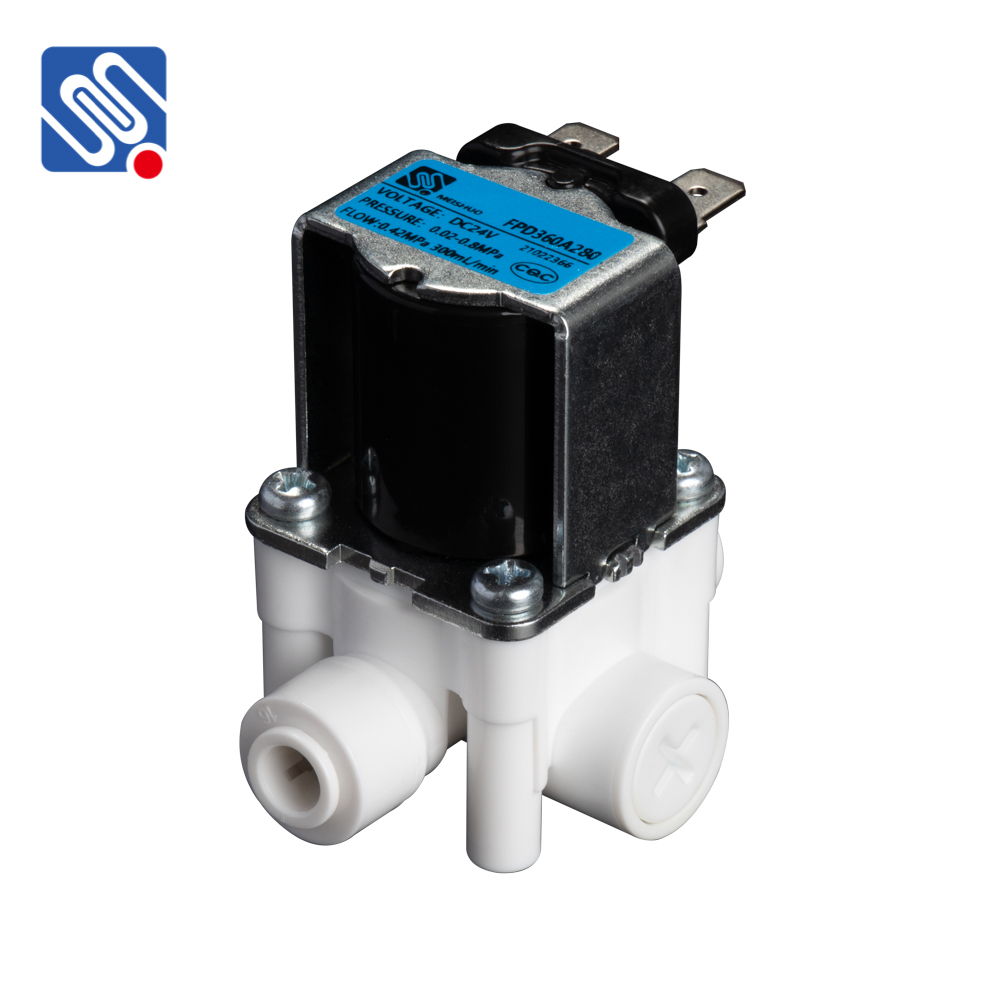
What is a DC Solenoid Valve? A DC solenoid valve operates by converting electrical energy into mechanical movement. It consists of an electromagnet, a movable iron core (or plunger), and a valve body. When direct current (DC) is supplied to the coil, a magnetic field is generated, which pulls the plunger downward or upward, thus opening or closing the valve. This action allows or restricts the flow of liquids or gases passing through the valve. Functional Mechanism The operational mechanism of a DC solenoid valve mainly involves two states: normally closed (NC) and normally open (NO). In a normally closed solenoid valve, when there is no voltage applied, the valve remains closed, preventing fluid passage. Conversely, when power is applied, the electromagnetic force overcomes spring tension, causing the valve to open. In contrast, a normally open solenoid valve allows fluid to flow when no power is applied, closing the flow when voltage is supplied.