A High Flow Solenoid Valve is a type of electrically operated valve that controls the flow of fluid (either liquid or gas) through a system. As the name suggests, it is specifically designed to handle large flow rates, which makes it an essential component in industries where high volumes of fluids need to be regulated. From industrial automation to fluid management systems, high flow solenoid valves play a critical role in ensuring precise and reliable flow control in high-demand environments.
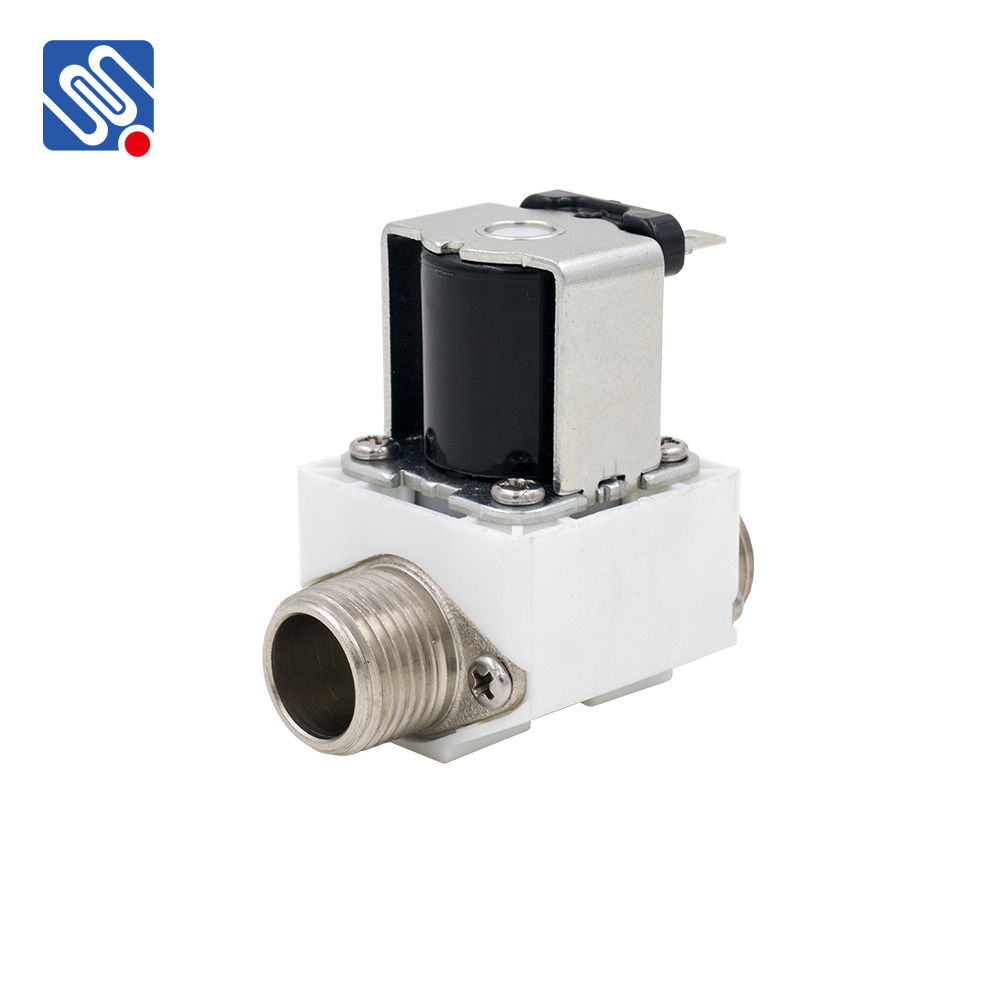
What Is a High Flow Solenoid Valve? A solenoid valve is essentially a mechanical device that controls the flow of a fluid by opening or closing the valve using an electromagnetic force. When an electrical current passes through a coil of wire (the solenoid), it creates a magnetic field that moves a plunger or armature, which opens or closes the valve. A High Flow Solenoid Valve is simply a specialized version of this valve that is capable of managing higher flow rates than standard solenoid valves. It is designed with larger or more robust components that allow it to handle larger volumes of fluids, while still maintaining efficient control and accuracy.