Relay signals play a vital role in modern electrical and electronic systems, facilitating communication and control between circuits with differing power levels. Essentially, relays serve as electrically operated switches that allow low-power signals to control high-power devices. This makes them invaluable in various applications, from industrial automation to household electronics. Understanding relay signals involves exploring their functionality, applications, and the benefits they bring to electrical engineering.
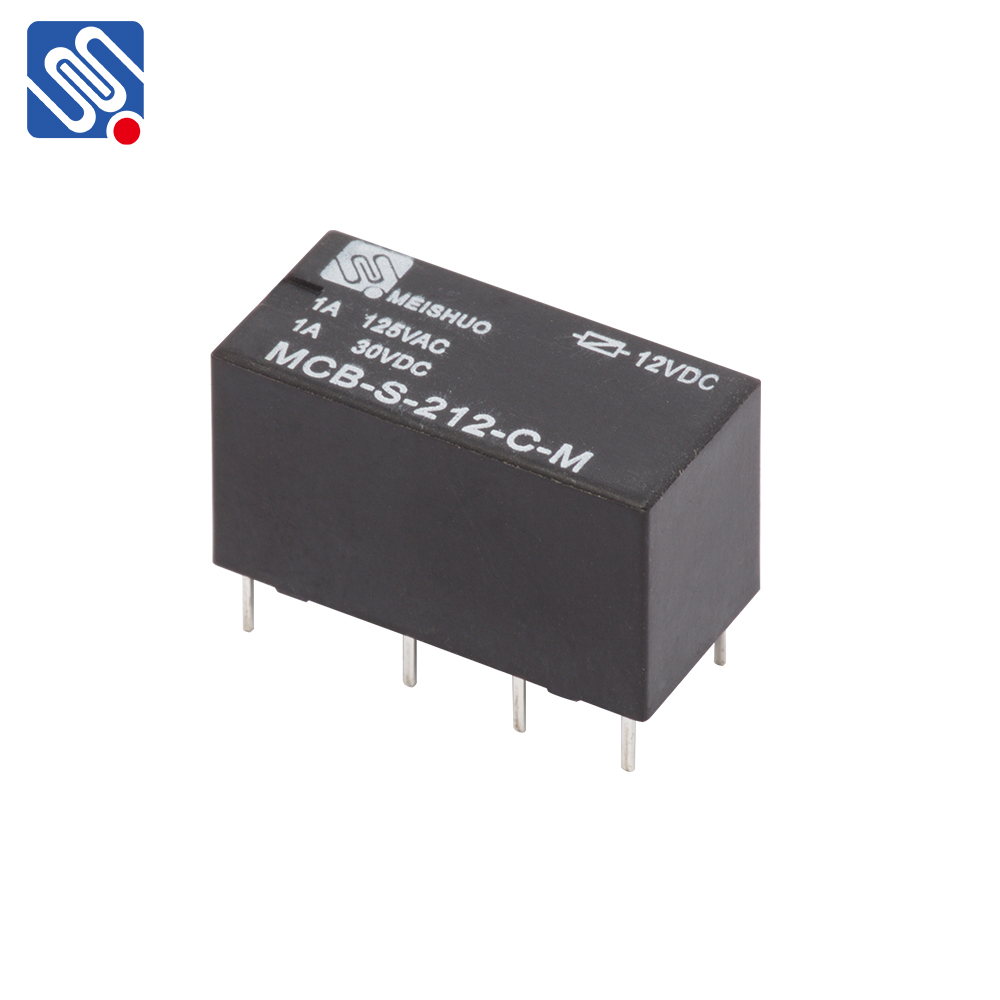
What are Relay Signals? A relay signal is a form of electrical communication used to trigger a response in a circuit through the action of a relay. A relay itself is an electromagnetic switch that operates by receiving an input signal and, in turn, opening or closing a set of contacts to control a larger electrical load. These signals are typically low-voltage, low-current inputs that control high-voltage, high-current outputs. The relay acts as an intermediary, amplifying the control signal while providing electrical isolation between the control circuit and the load circuit. Relays use electromagnetic induction to create a magnetic field when an electrical current passes through the coil. This magnetic field either attracts or repels a contact arm, switching the relay’s contacts on or off. This switching mechanism is the foundation for relay signals, allowing the control of circuits from a distance without the need for manual intervention.