In industries where electrical systems are prevalent, safety is paramount. One of the key aspects of electrical safety is ensuring that maintenance personnel are protected from accidental electrocution, burns, or injury due to the unexpected start-up of machinery during maintenance or repair work. A critical component of ensuring this safety is the use of Lockout Hasps, and when these devices are certified according to IEC 60947-2, they meet internationally recognized safety standards that protect workers and prevent accidents.
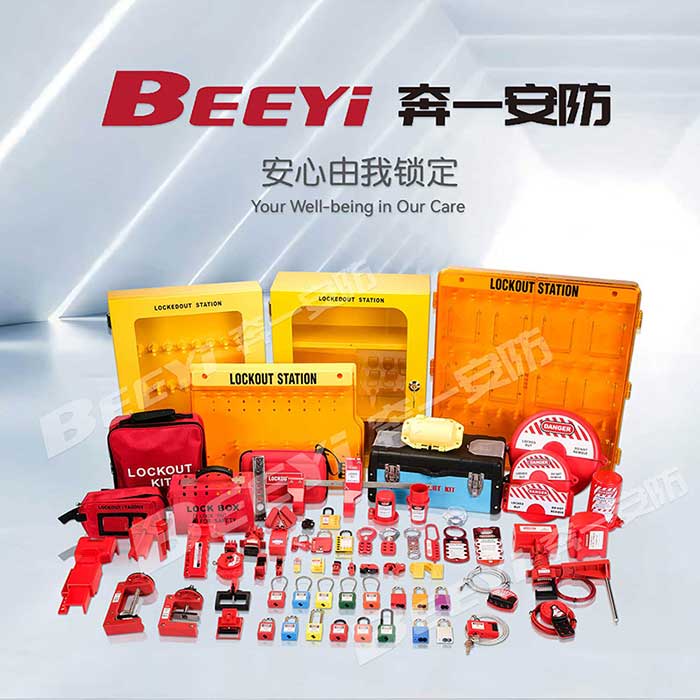
What are Lockout Hasps? A Lockout Hasp is a safety device used in lockout/tagout (LOTO) procedures. These procedures are essential to isolate energy sources and prevent the unexpected release of hazardous energy during maintenance or service work. The Lockout Hasp is attached to the energy-isolating device (such as a valve, switch, or breaker) to prevent the equipment from being accidentally re-energized while maintenance is in progress. The Lockout Hasp allows multiple personnel to lock out a single energy-isolating device. Each individual involved in the maintenance or repair process can place their own lock on the hasp, ensuring that no one can restart the machinery until all involved personnel have removed their locks. This feature is especially crucial in team-based environments where multiple workers must coordinate to safely perform tasks.