Relays are essential components in various electrical and electronic systems, serving as switches to control circuits in response to an electrical signal. One critical factor in selecting a relay is its voltage rating, which defines the operational limits of the relay’s coil and contacts. In this article, we will explore the importance of relay voltage ratings, how to interpret them, and why they matter in practical applications.
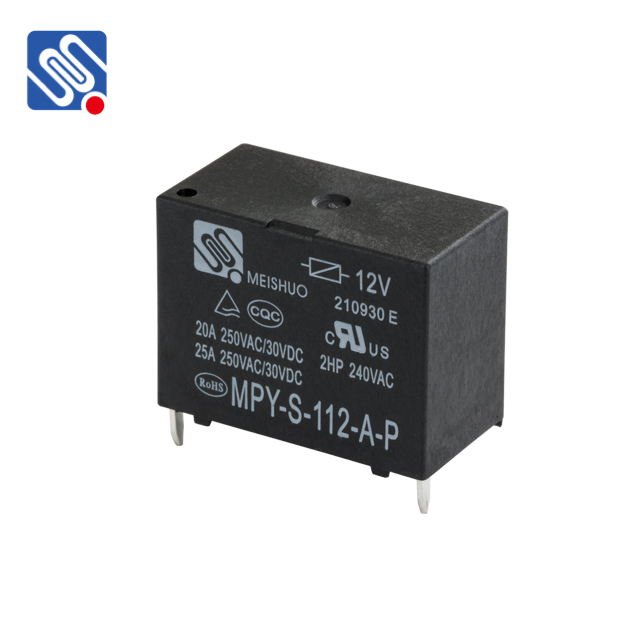
What is Relay Voltage Rating? The relay voltage rating refers to the maximum voltage that a relay can safely handle during its operation. It includes two primary aspects: the coil voltage rating and the contact voltage rating. These ratings ensure that the relay performs its switching function reliably without risking damage to the relay or the connected circuit. Coil Voltage Rating The coil voltage rating is the voltage required to activate the relay. It is the voltage that must be applied to the coil to generate the magnetic field necessary to close or open the relay’s contacts. The coil voltage is typically specified in DC (Direct Current) or AC (Alternating Current).