In industrial settings where pneumatic systems play a crucial role, safety is paramount. Pneumatic systems, which rely on compressed air to operate machinery and equipment, are indispensable in manufacturing plants, construction sites, and other high-risk environments. However, with the benefits of these systems come potential hazards. One essential safety measure to mitigate the risks associated with pneumatic systems is the use of Pneumatic Lockouts.
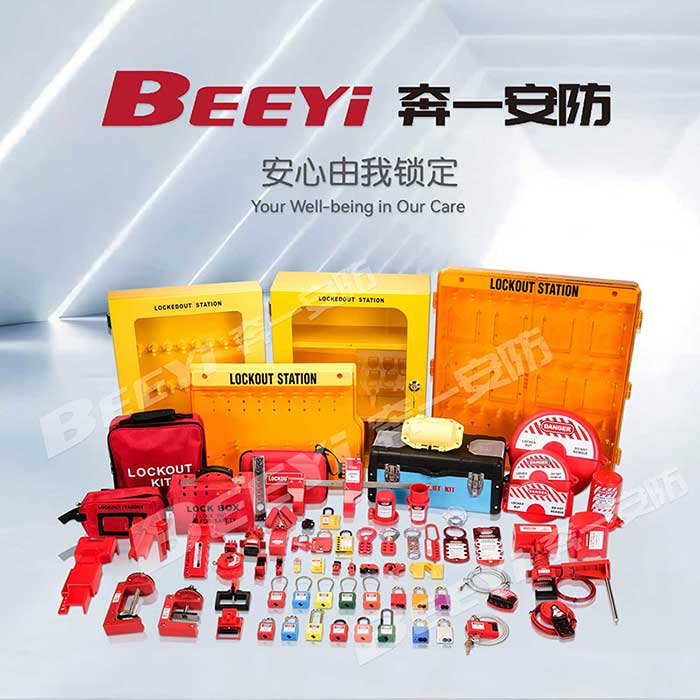
What Are Pneumatic Lockouts? Pneumatic Lockouts are safety devices designed to prevent the unintended release of compressed air during maintenance or repair operations. These devices ensure that pneumatic systems are fully isolated and cannot be activated, thereby safeguarding workers from accidental injury. The concept of lockout/tagout (LOTO) procedures, which include pneumatic lockouts, is recognized globally as a critical safety standard in workplaces where dangerous energy sources, such as electricity, hydraulics, or pneumatics, must be controlled to prevent accidents. Pneumatic lockouts work by securely locking off valves, air lines, and other components of a pneumatic system. This ensures that the air pressure is safely confined and that no unintended air flow can occur during maintenance. The lockout device is typically attached to a valve or air supply, and a lock or tag is applied to it, indicating that the system is under maintenance and should not be operated.