The role of relays in electrical and electronic circuits cannot be overstated. They serve as essential components in various applications, allowing for the control of larger currents and voltages by using smaller input signals. One of the most critical specifications that engineers and technicians must consider when selecting a relay is its current rating. This article delves into the importance of relay current rating, factors affecting it, and guidelines for proper selection.
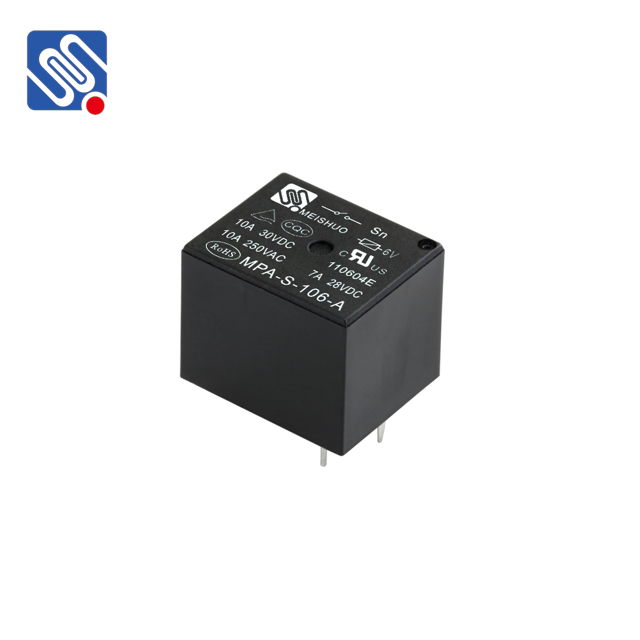
What is Relay Current Rating? Relay current rating refers to the maximum amount of current that a relay’s contacts can handle without sustaining damage. This is a crucial parameter since exceeding this rating can lead to overheating, contact welding, or complete failure of the relay. Typically defined in amperes (A), the current rating can vary based on the type of relay and the electrical load it controls. It’s important to note that the current ratings can differ for alternating current (AC) and direct current (DC) applications, which is why manufacturers often specify both ratings in the relay’s datasheet.