Valve lockout devices play a crucial role in industrial safety, particularly in environments where hazardous machinery or equipment is involved. These devices are used to ensure that valves are securely locked in a safe position during maintenance, repair, or servicing. By preventing accidental valve operation, valve lockout devices help to safeguard workers from the risks associated with equipment malfunctions or human errors.
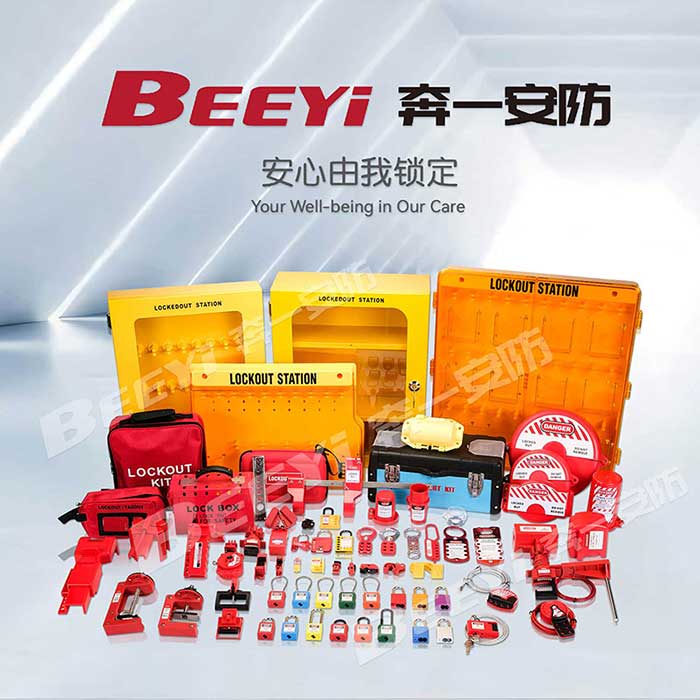
What is a Valve Lockout Device? A valve lockout device is a safety mechanism designed to physically secure a valve in its closed or open position, depending on the nature of the work being performed. It typically consists of a durable material, such as steel, aluminum, or high-strength plastic, and is equipped with a locking mechanism that prevents unauthorized operation of the valve. The device can be attached to a valve handle or actuator, and it usually features a lock or padlock to ensure that only authorized personnel can access and operate the valve. Valve lockout devices are essential components of a comprehensive Lockout/Tagout (LOTO) program, a safety standard aimed at preventing the release of hazardous energy during maintenance or repair activities. This standard is widely implemented in industries such as chemical manufacturing, oil and gas, power plants, and water treatment facilities, where the inadvertent release of energy can lead to catastrophic accidents.