Reverse Osmosis (RO) is one of the most efficient and commonly used methods for purifying water, making it ideal for both residential and industrial applications. A crucial component in this water purification process is the Reverse Osmosis Solenoid Valve. This valve plays a vital role in controlling the water flow within the system, ensuring optimal performance and preventing wastage. In this article, we will explore the importance, functionality, and key features of the Reverse Osmosis Solenoid Valve in water filtration systems.
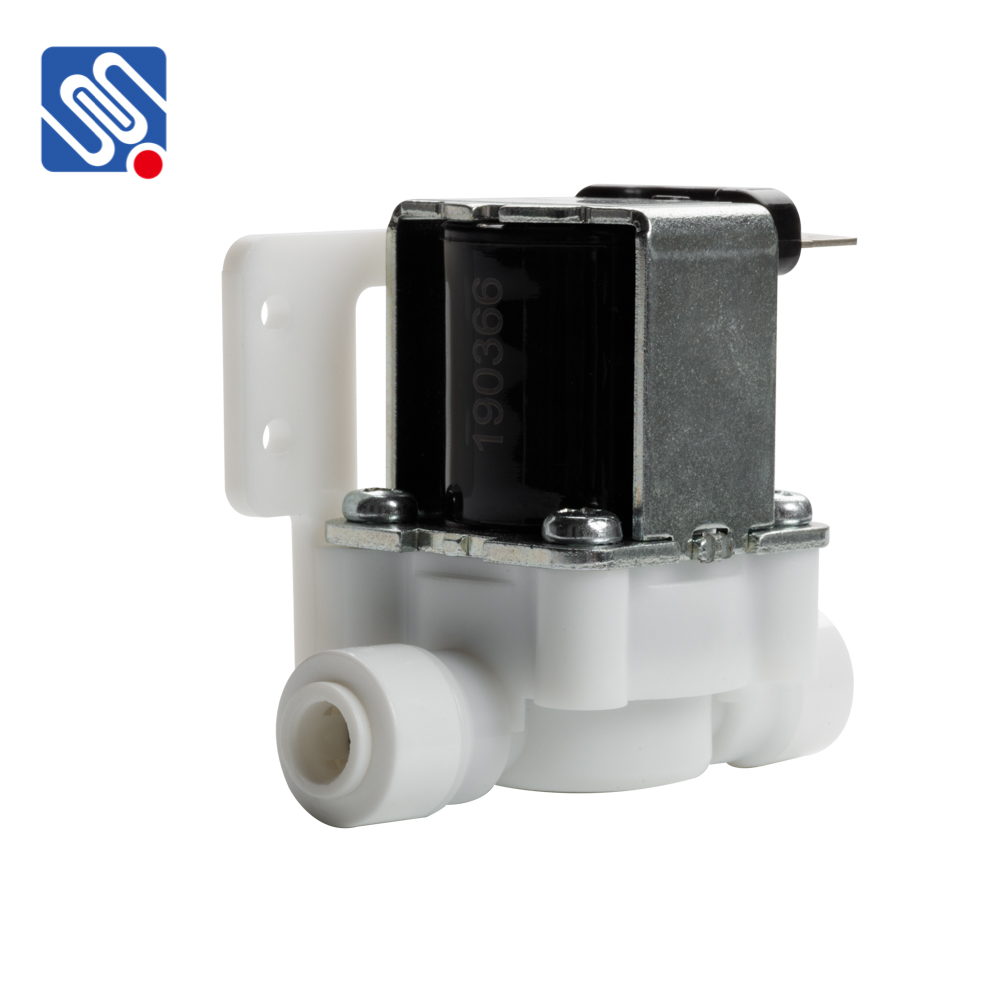
What is a Reverse Osmosis Solenoid Valve? A Reverse Osmosis Solenoid Valve is an electrically operated valve that controls the flow of water in a reverse osmosis system. The solenoid valve operates based on the principle of electromagnetism, using an electric current to open or close the valve. When the electric current passes through the coil inside the solenoid, a magnetic field is created, which moves a plunger or piston to control the water flow. This process is automated, making it an essential component in any modern reverse osmosis system. The Functionality of the Solenoid Valve in Reverse Osmosis Systems