The rapid growth of electric vehicles (EVs) has led to the development of faster, more efficient charging solutions. One of the critical components of this evolution is the DC Fast Charging Relay, a key technology that ensures the safe and efficient transfer of high-power direct current (DC) to EV batteries. In this article, we explore the significance of DC Fast Charging Relays, their role in electric vehicle charging systems, and how they contribute to the safety and reliability of high-power charging infrastructure.
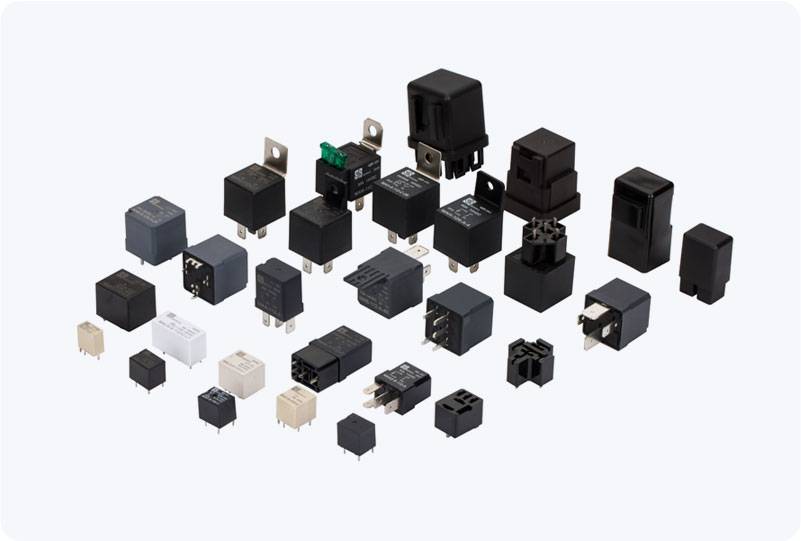
What is a DC Fast Charging Relay? A DC Fast Charging Relay is an electromechanical device used in direct current (DC) fast charging systems. It acts as a switch that connects and disconnects the charging circuit between the electric vehicle (EV) and the charging station. The relay’s primary purpose is to control the flow of high-voltage and high-current DC power during the charging process. By regulating the electrical connection, it ensures that the charging process occurs smoothly and without risk to both the vehicle and the charging station. Unlike standard AC charging, which operates at lower voltages and currents, DC fast charging can transfer much higher power levels to charge EVs more quickly. This requires specialized components that can handle these power levels safely. The DC Fast Charging Relay is designed to handle the high voltage (typically 200-500 V) and large currents (up to 500 amps or more) involved in the fast charging process.