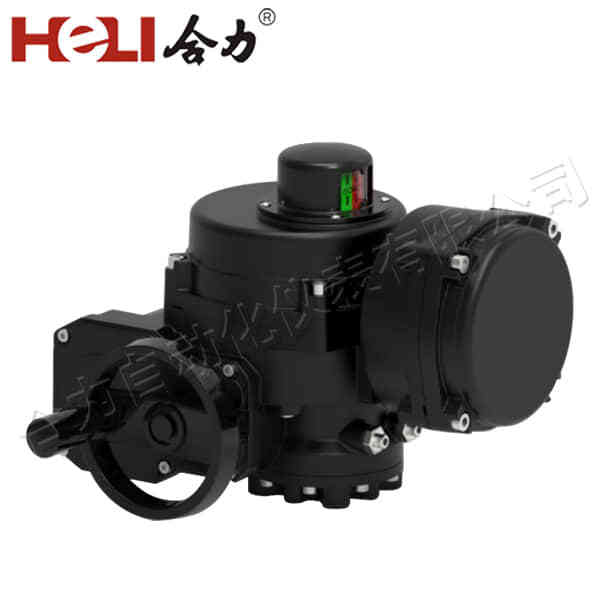
The rise of automation in industrial processes has revolutionized the way we manage and control complex systems, and at the heart of these systems are devices that ensure efficiency and precision. One such device is the valve electric actuator. As industries continue to demand more reliable and efficient solutions for controlling valves in applications ranging from water treatment to oil and gas, the role of valve electric actuator manufacturers has never been more important. This article delves into the crucial role of these manufacturers, their products, and the trends shaping the future of valve electric actuators.
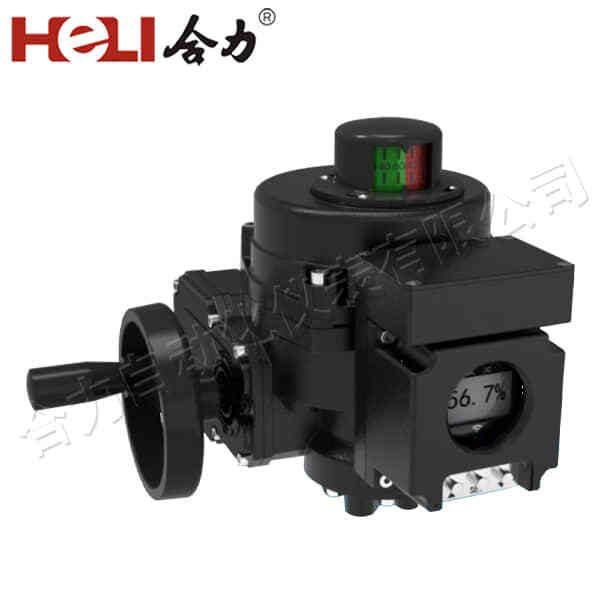
What is a Valve Electric Actuator?
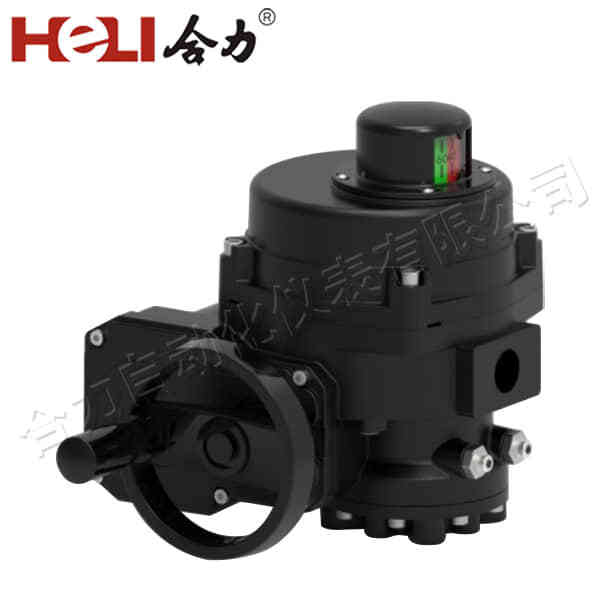
A valve electric actuator is an electromechanical device designed to open or close a valve by using an electric motor. Unlike pneumatic or hydraulic actuators that rely on air or fluid pressure, electric actuators use electric power to drive the valve’s motion. The simplicity of electric power, combined with the precision and control offered by these actuators, makes them a popular choice across various sectors, including water treatment, HVAC systems, chemical processing, and energy production. The actuator functions by converting electrical energy into mechanical motion. It consists of a motor, gear train, feedback system, and control circuitry. The actuator receives a signal—either analog or digital—from a control system (such as a PLC or DCS), which dictates the valve position. Depending on the valve design, electric actuators can provide either linear or rotary motion to adjust the valve’s state, controlling flow rates or regulating pressures in the system.