In the world of industrial safety, lockout/tagout (LOTO) procedures play a crucial role in preventing workplace accidents. These procedures are designed to ensure that machinery and equipment are properly shut off and cannot be accidentally restarted while maintenance or repairs are being carried out. Among the various forms of lockout devices, pneumatic lockouts stand out for their ability to secure pressurized air systems and prevent inadvertent release or operation of pneumatic equipment. In the United States, numerous manufacturers specialize in producing pneumatic lockouts that help businesses comply with safety regulations and protect workers from harm.
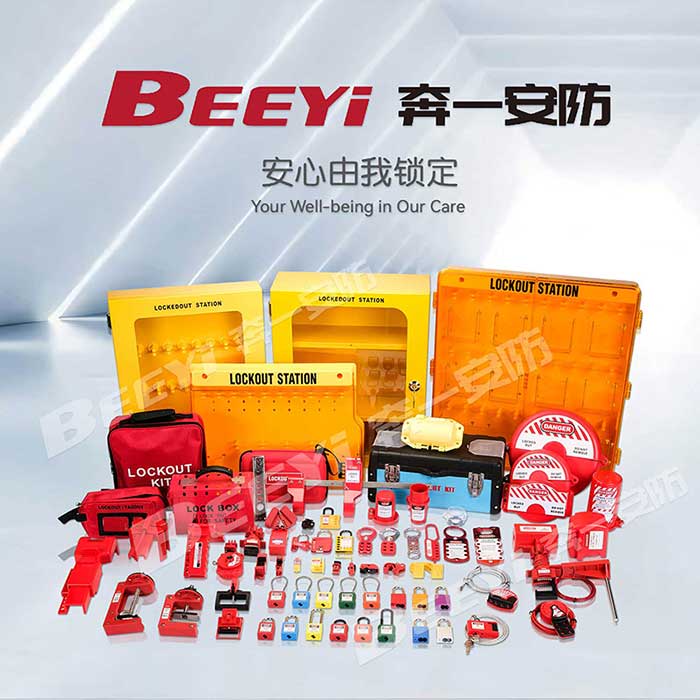
The Importance of Pneumatic Lockouts Pneumatic systems are common in many industries, including manufacturing, automotive, and construction, due to their efficiency in powering machinery and equipment. However, the pressurized air within these systems can pose significant risks if not properly controlled. Accidental activation of pneumatic systems during maintenance can lead to severe injuries or fatalities. As such, pneumatic lockouts serve as critical tools to safeguard against these dangers. Pneumatic lockouts work by isolating the air supply to pneumatic equipment, preventing the accidental release of pressurized air or the unintended activation of machinery. These devices are designed to fit securely onto air supply lines or valves, ensuring that the system remains de-energized until the lockout is removed. In many industries, pneumatic lockouts are a mandatory part of safety protocols, and companies must adhere to strict lockout/tagout standards, such as those set by OSHA (Occupational Safety and Health Administration).