The rise of electric vehicles (EVs) has led to a growing demand for efficient and rapid charging solutions. One of the key components in electric vehicle charging infrastructure is the DC Fast Charging Relay. This device plays a crucial role in controlling the flow of high-power direct current (DC) used to charge EV batteries quickly and efficiently. Understanding the functionality, importance, and technical requirements of DC fast charging relays is essential for anyone involved in the design, development, and operation of electric vehicle charging systems.
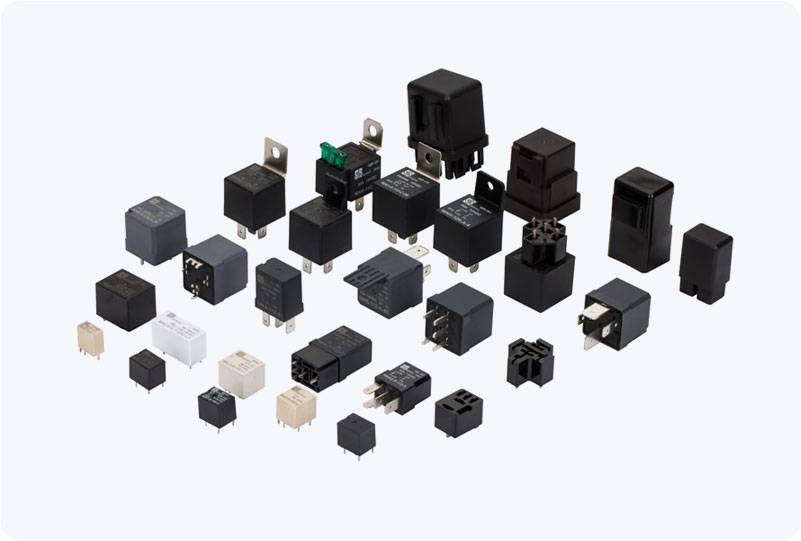
What is a DC Fast Charging Relay? A DC Fast Charging Relay is an electrical switch used in high-power charging systems to control the flow of direct current (DC) between the charging station and the EV’s battery. These relays are designed to handle high-voltage and high-current operations, which are necessary for fast charging. Unlike traditional AC chargers, DC fast chargers supply direct current directly to the vehicle’s battery, allowing for faster charging speeds. A relay is necessary in this system to safely manage and control these high-power flows, ensuring the safe and efficient operation of the charging process.