In today’s industrial landscape, safety remains a paramount concern, especially in environments where flammable gases, vapors, or combustible dust are present. One critical component for ensuring safety in these hazardous areas is the Hazardous Area Relay (HAR). Designed specifically for applications where traditional electrical devices may pose a risk, HARs are engineered to seamlessly manage and control electrical circuits, thereby mitigating the potential for dangerous incidents.
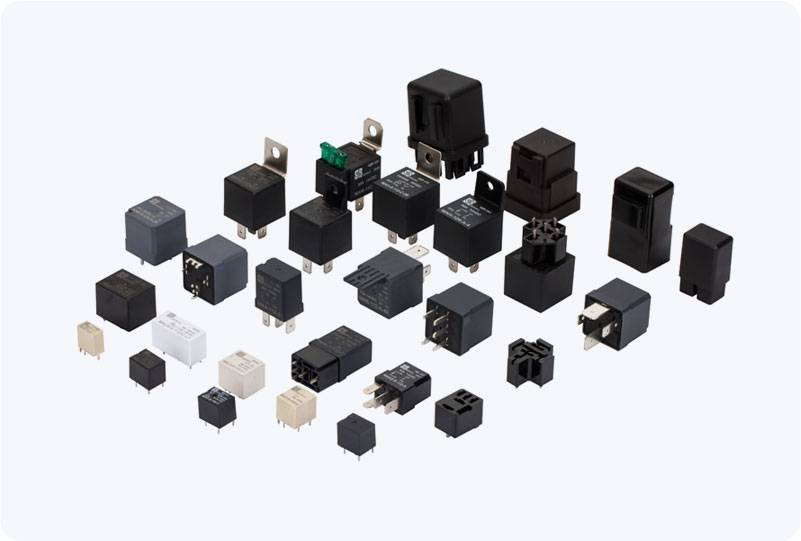
The Function of Hazardous Area Relays At its core, a Hazardous Area Relay functions as an electronic switch that controls the operation of various devices in hazardous environments. These relays are typically employed to manage motors, lighting systems, and other electrically-powered equipment without directly exposing them to the hazardous conditions. By using a relay, industries can effectively isolate electrical circuits from volatile substances, thereby reducing the risk of sparks or overloads that could ignite flammable materials. Design Features and Compliance One of the most crucial aspects of Hazardous Area Relays is their design. HARs are built to withstand extreme conditions, which can include high temperatures, corrosive chemicals, and the presence of explosive gases. As such, they are typically housed in durable enclosures made from materials that are resistant to corrosion and heat.