Relay connections are essential components in electrical and electronic systems that facilitate the control of higher power circuits using low-power control signals. In simple terms, a relay is an electrically operated switch that allows one circuit to control another. Relays are widely used in various applications, from home appliances to industrial machinery, making them an integral part of modern automation and control systems.
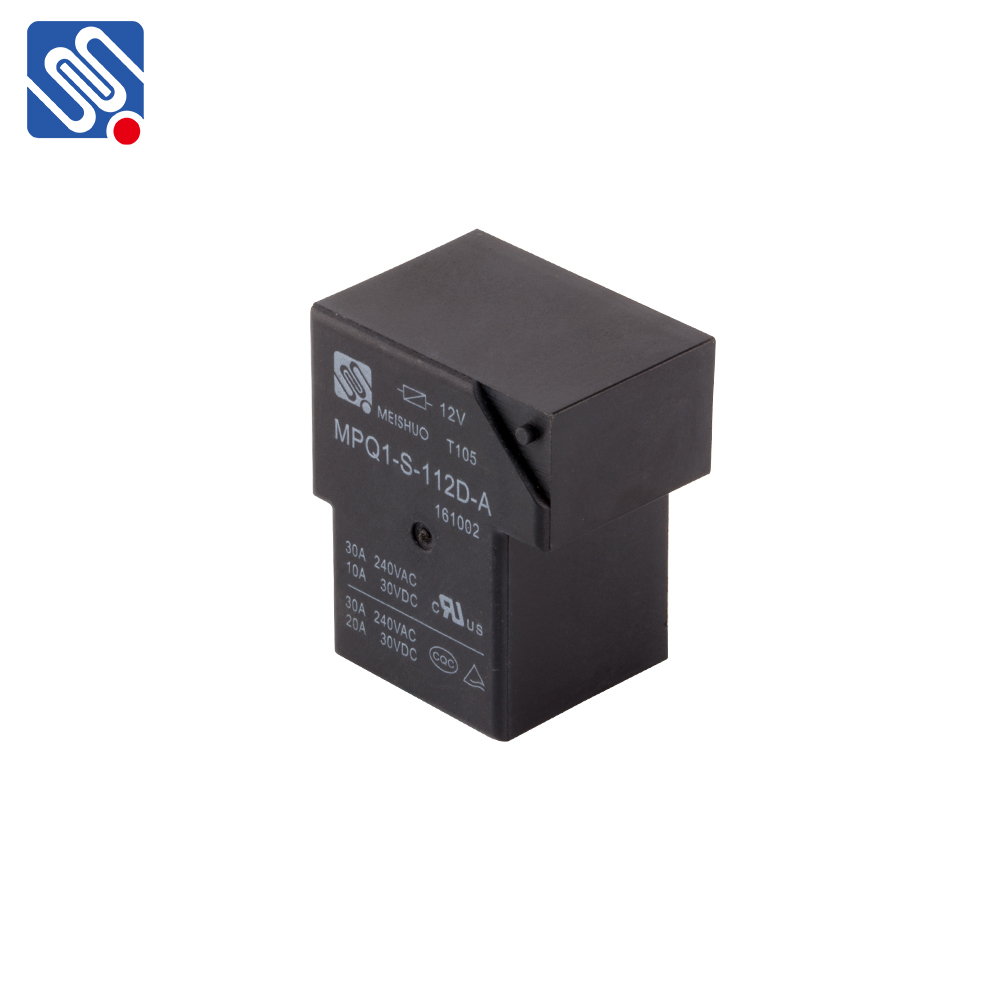
What Are Relay Connections? At the core of a relay connection is the relay itself, which consists of several components: an electromagnetic coil, contacts (usually made of metal), and a mechanism that physically moves the contacts to open or close the circuit. When an electrical current flows through the coil, it generates a magnetic field that either pulls or pushes a set of contacts, closing or opening the electrical circuit. The relay allows a small current to control a much larger one, enabling the operation of high-power devices with minimal control signals. Key Components of Relay Connections