Lockout hasps are vital tools in ensuring the safety of workers during maintenance and repair activities in various industrial settings. A lockout hasps factory specializes in manufacturing these devices, which play a crucial role in the broader Lockout/Tagout (LOTO) safety protocols. This article explores the significance of lockout hasps, the function of a lockout hasps factory, and why these products are essential for maintaining a safe work environment.
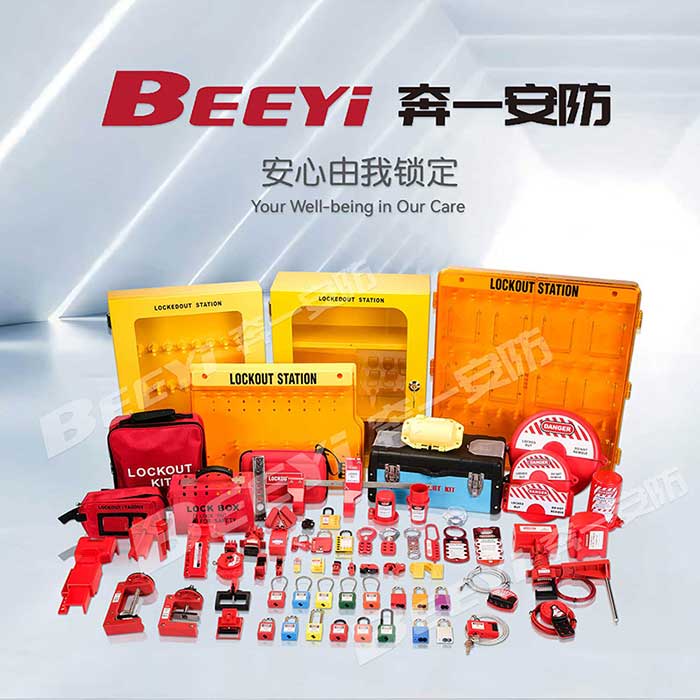
Understanding Lockout Hasps and Their Function Lockout hasps are used to lock down equipment, machines, or electrical systems during maintenance, preventing accidental or unauthorized operation. They are typically made from durable materials such as metal or high-strength plastic and come in various sizes and designs to accommodate different types of locks. The primary purpose of a lockout hasp is to provide a secure means of locking out equipment while maintenance or repair work is being performed. One of the key features of a lockout hasp is that it allows multiple locks to be attached at once. This is particularly useful when more than one technician or maintenance worker is involved in the process, as each worker can secure the device with their own lock to ensure that no one can turn on the equipment until all workers have completed their tasks. This ensures accountability and prevents potential accidents caused by equipment being turned on unexpectedly.