In the realm of modern electrical systems, particularly those involving renewable energies and electric vehicles, the High Voltage DC Main Relay plays a pivotal role. With the rapid advancements in technology and the increasing need for efficient and safe power management, understanding the operation and significance of these relays is fundamental for engineers, technicians, and industry stakeholders alike. This article delves into the definition, functionality, applications, and considerations surrounding High Voltage DC Main Relays.
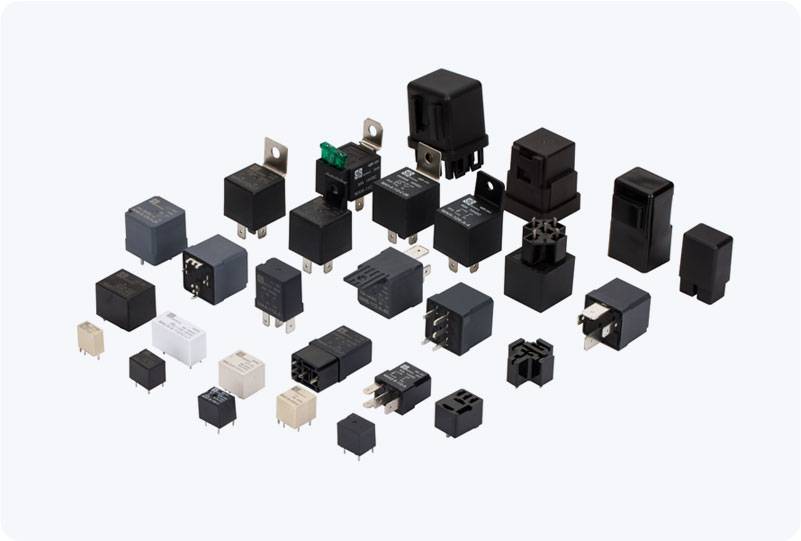
Definition and Functionality The High Voltage DC Main Relay is an electromechanical device designed to control high voltage direct current (DC) circuits. Operating primarily through electromagnetic principles, this relay makes or breaks electrical connections in the circuit in response to control inputs. When a voltage is applied to the relay’s coil, it generates a magnetic field that attracts a movable armature, closing the relay contacts and allowing current to flow. Conversely, when the control voltage is removed, the armature returns to its resting position, reopening the contacts and interrupting the current.