The Normally Closed (NC) Solenoid Valve is one of the most commonly used types of solenoid valves in various industrial and automation applications. These valves are essential in controlling the flow of liquids, gases, and other fluids within a system. In this article, we will explore the function, structure, working principle, applications, and advantages of NC solenoid valves, shedding light on their role in modern fluid control systems.
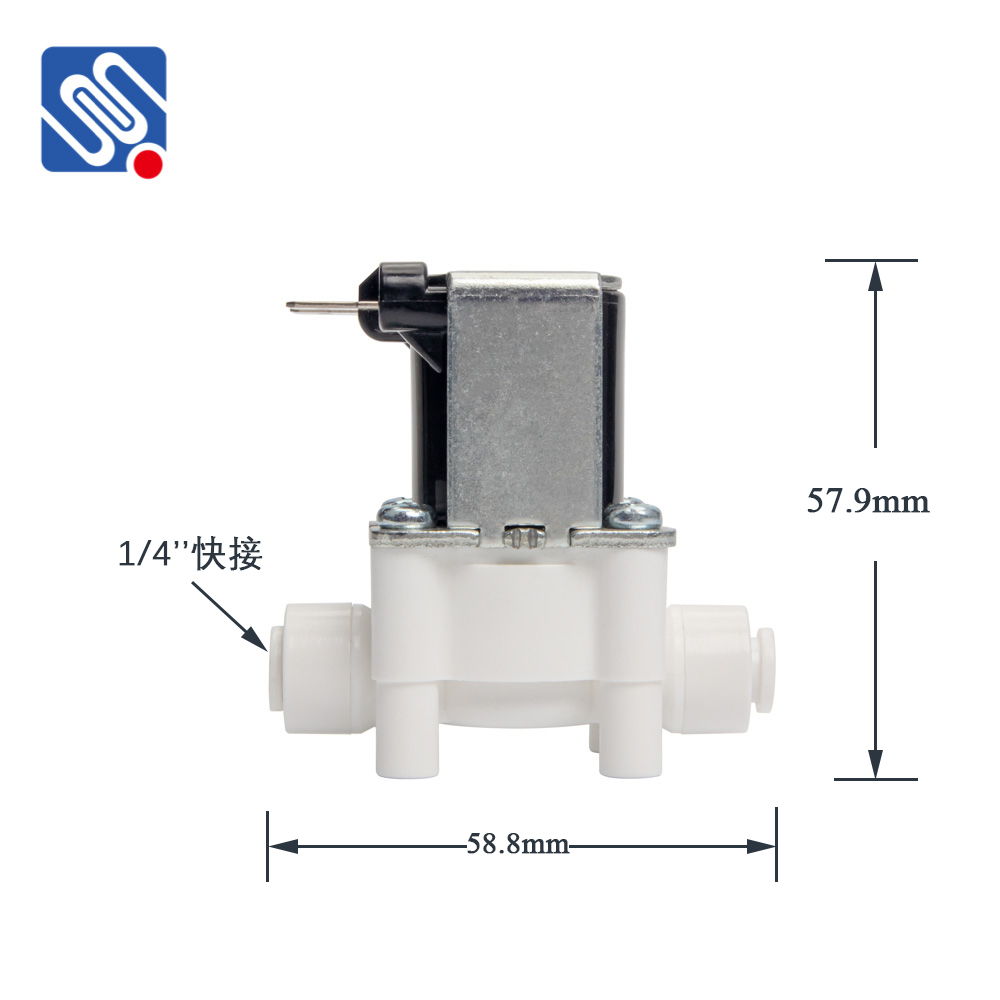
What is a Normally Closed Solenoid Valve? A Normally Closed Solenoid Valve is a type of electromagnetic valve that remains closed in its default, unpowered state. The valve is designed to control the flow of fluid in a pipeline by opening or closing based on the application of electric current to an electromagnetic coil. When the solenoid coil is energized, it creates a magnetic field that moves the valve’s internal components, allowing the fluid to flow through. In the absence of power, the valve automatically returns to its closed position. This design is beneficial in many applications where it is important to maintain a closed system by default, ensuring safety and efficiency. The NC solenoid valve is often used in systems where the flow should only be permitted when there is an external trigger, such as when a signal or power is sent to the valve.