Relay production, as a concept in manufacturing and industrial processes, plays a crucial role in enhancing the efficiency and flexibility of production lines. This model draws inspiration from the idea of a relay race, where each runner (or segment of production) hands over the baton to the next, ensuring a seamless and continuous flow of work. Relay production systems help organizations maximize productivity, minimize downtime, and create a dynamic environment for handling complex manufacturing tasks. In this article, we will explore the concept of relay production, its advantages, and its application in modern industries.
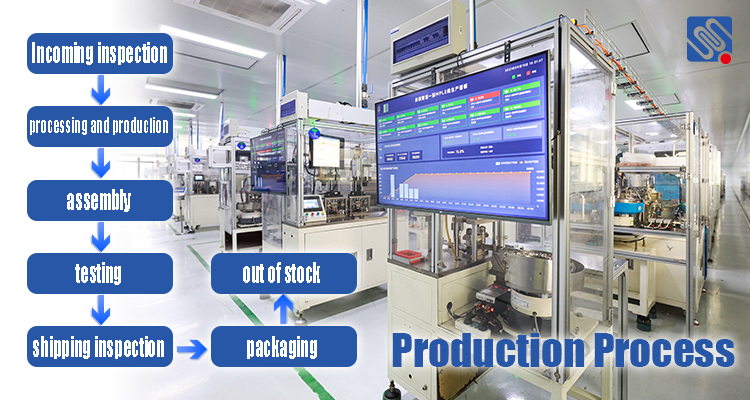
What is Relay Production? Relay production refers to a method of organizing production tasks where work is divided into distinct stages, each handled by different teams or workstations. Similar to a relay race where a baton is passed from one runner to another, relay production involves the transfer of responsibilities or tasks from one part of the process to another. This approach ensures that each production segment is completed sequentially, allowing for specialization and the efficient handling of various production components. In traditional manufacturing systems, a product might be assembled in a linear fashion, with each worker or machine performing a specific function along the production line. In a relay production system, the process is broken down into stages that are performed by different teams or units, which pass on their part of the process to the next unit. This method not only streamlines workflows but also provides greater flexibility, as teams can focus on specific tasks without having to manage the entire production cycle.