In industrial settings, ensuring the safety of workers during maintenance or repair operations is crucial. One of the most effective ways to achieve this is through the use of Industrial Lockout Hasps. These tools play a vital role in isolating hazardous energy sources, preventing accidental machinery startup, and protecting workers from serious injuries. This article explores the importance of lockout hasps, their applications, and how they contribute to maintaining a safe working environment.
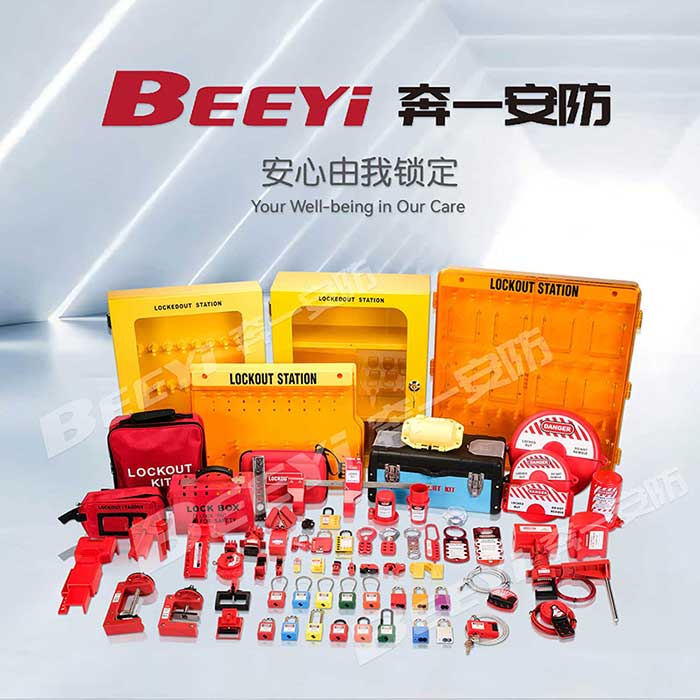
What Are Industrial Lockout Hasps? Industrial Lockout Hasps are security devices used as part of a lockout/tagout (LOTO) safety program. They are designed to hold multiple locks in place, typically on energy-isolating devices, such as valves, electrical switches, or machines, to prevent them from being operated during maintenance or repairs. The key feature of a lockout hasp is its ability to securely hold several individual locks at once, each belonging to a different worker involved in the task. This ensures that only authorized personnel can unlock and restart the equipment once maintenance is completed.