In modern automobiles, electrical systems have become increasingly complex, handling a wide range of functions, from power windows and seats to advanced lighting and climate control. To ensure these high-power devices work safely and efficiently, automotive engineers rely on components like the high current car relay. This seemingly small but crucial component plays an essential role in managing large electrical loads while protecting sensitive circuits from excessive power. In this article, we will explore the importance, working principle, and applications of high current car relays.
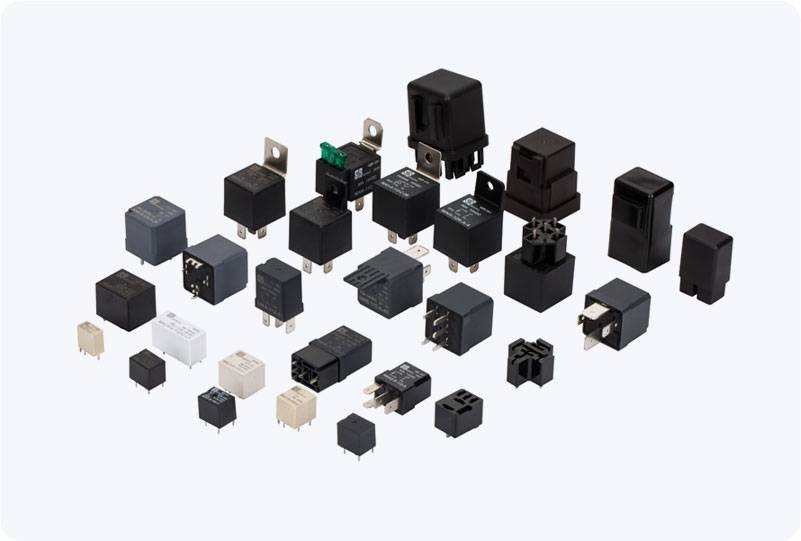
What is a High Current Car Relay? A high current car relay is an electrical switch that allows the control of high-power automotive devices using a low-current signal. It essentially acts as an intermediary, enabling small, low-voltage control circuits (such as those from switches or ECU outputs) to operate larger, high-voltage components (such as motors, lights, and air conditioning systems). By doing so, it protects delicate wiring and switches from the dangers of handling large currents directly. These relays typically use electromagnetic principles to function. When a low-voltage signal is applied to the relay’s control coil, it generates a magnetic field that closes or opens the relay’s contacts. This, in turn, either allows or interrupts the flow of a high-current circuit. The contacts inside the relay are designed to handle higher currents without causing overheating, short-circuiting, or damage to the surrounding components.