Relay current plays a vital role in the functioning of various electrical systems, often serving as a bridge between low-power control circuits and high-power load circuits. Relays, which are electromechanical switches, allow smaller control signals to activate larger ones, providing a crucial function in automation and control applications across numerous industries.
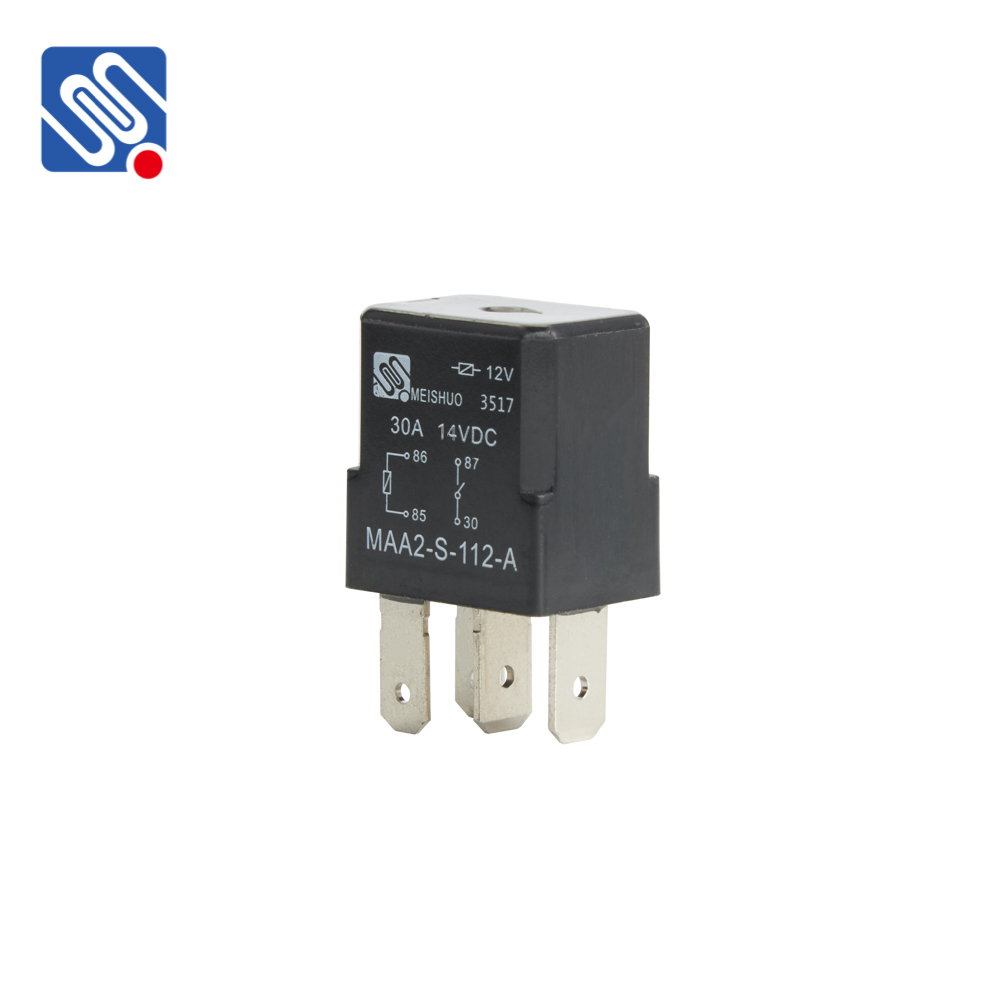
What is a Relay? A relay is an electrically operated switch that opens or closes circuits in response to an input signal. The heart of the relay consists of an electromagnet, which is a coil of wire that generates a magnetic field when electric current flows through it. This magnetic field pulls a lever or armature that acts on one or more sets of contacts, either completing the circuit or breaking it. Understanding Relay Current The term “relay current” specifically refers to the electrical current that flows through the relay’s coil. This current is responsible for energizing the electromagnet that actuates the relay’s contacts. When discussing relay current, several parameters are critical to understanding its operation and application: