Lockout/Tagout (LOTO) procedures are vital safety practices that protect workers from accidental injuries while they are maintaining or servicing machinery and equipment. The LOTO padlock plays a central role in these procedures, ensuring that dangerous machines or electrical systems cannot be operated while being repaired, cleaned, or serviced. In this article, we will explore the significance of LOTO padlocks in workplace safety, their types, and how they help prevent workplace accidents.
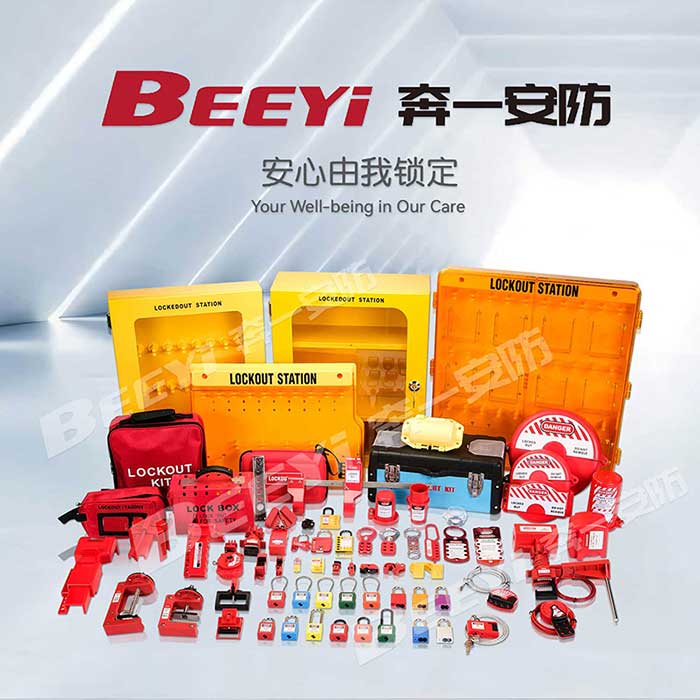
What is a LOTO Padlock? A LOTO padlock is a specially designed lock that is used as part of the Lockout/Tagout procedure to secure energy-isolating devices and prevent the unintended release of hazardous energy during maintenance and repair work. These locks are crucial in ensuring that machinery or equipment cannot be turned on accidentally while an employee is working on it, thus reducing the risk of injury or fatality. LOTO padlocks are typically brightly colored and labeled to ensure they are easily identifiable. They are often made from durable materials such as metal or high-strength plastic, and they feature a key-operated mechanism. Each lock is assigned to a specific worker or team, and only the person who applied the lock is able to remove it, ensuring control over the equipment and maintaining a safe working environment.