The normally open solenoid valve (NOSV) is a vital component in many fluid control systems, known for its reliable operation and ease of integration into various applications. This article will explore the working principles, common applications, and advantages of these valves, helping to demystify their function and significance in modern engineering.
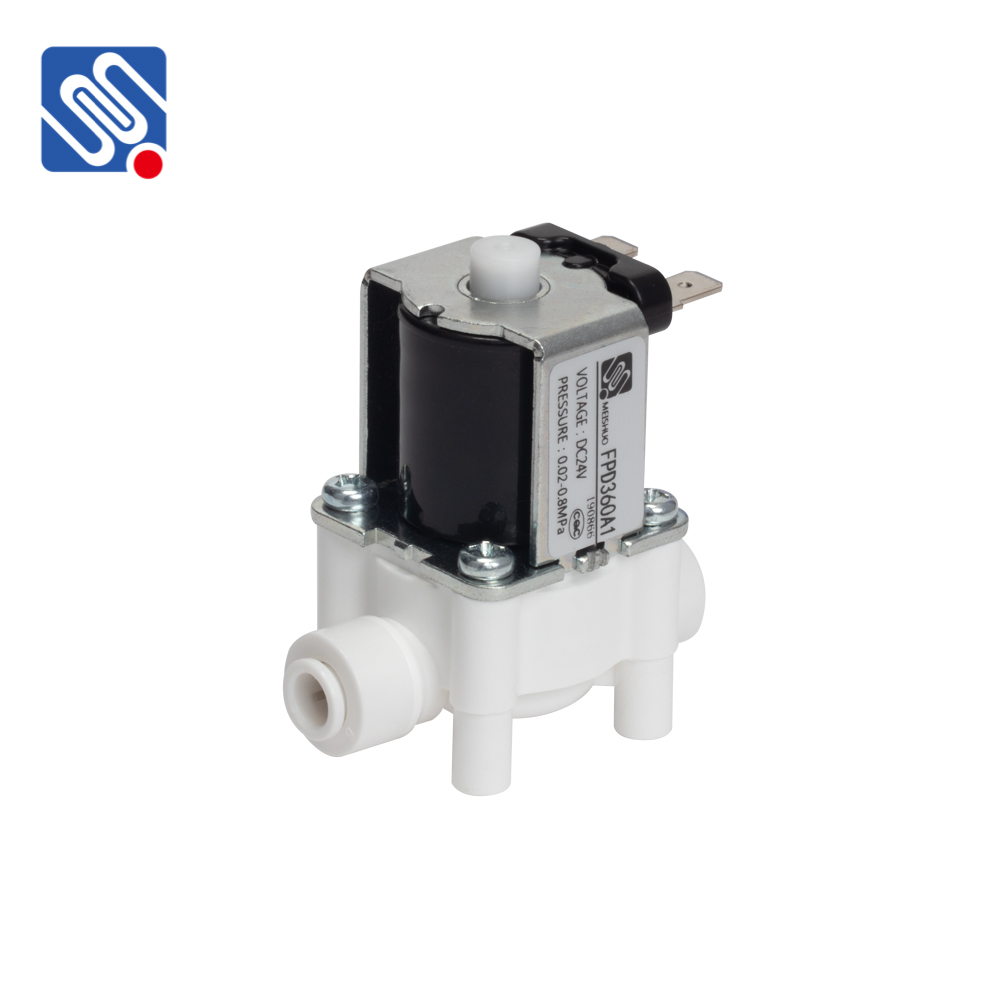
Working Principles of Normally Open Solenoid Valves At its core, a normally open solenoid valve features two primary states: open and closed. In a typical scenario, when the solenoid coil is not energized, the valve remains in an open position, allowing fluid to flow freely through the valve body. When electrical current is applied to the solenoid coil, a magnetic field is generated, which pulls a plunger or diaphragm, closing the valve and stopping fluid flow. This operation can be summarized as follows: Unenergized State: The valve is open, allowing for the passage of fluid. Energized State: The solenoid coil is activated, closing the valve and halting fluid flow.