In today’s fast-paced industrial environment, safety remains a top priority. One of the crucial aspects of ensuring workplace safety is the proper management of hazardous energy sources during maintenance and repair work. The Lockout Bag application has emerged as an invaluable tool that supports compliance with Lockout/Tagout (LOTO) regulations, ultimately safeguarding workers from potential injuries. This article delves into the significance of the Lockout Bag application, its primary features, and how it enhances safety protocols in various industries.
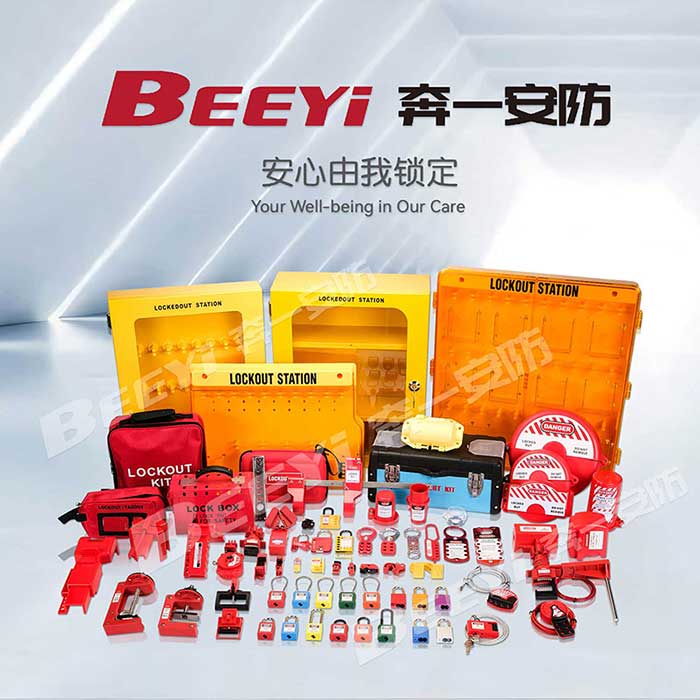
To understand the Lockout Bag application fully, we must first grasp the concept of Lockout/Tagout procedures. These procedures are designed to prevent the unexpected startup of machines and equipment during maintenance or repair work. This is essential in industries where machinery operates on various energy sources—such as electricity, hydraulic systems, and pneumatic tools—that could potentially cause severe injuries or even fatalities if inadvertently activated. The Lockout Bag application streamlines this process, allowing organizations to implement safe practices efficiently. One of the core functions of the Lockout Bag application is to manage and record equipment information. It provides a digital platform where workers can document details about the machines involved in maintenance tasks. This may include the equipment name, model number, location, and energy sources that require locking out. By centralizing this information, teams can easily access the data they need to ensure all machinery is correctly shut down and secured before beginning work. This reduces the risk of human error, as workers have a clear reference of what needs to be locked out.