A switch relay, often referred to as simply a “relay,” is a crucial component in the world of electrical systems and automation. Its primary function is to allow a low-power electrical signal to control a higher power circuit. Relays are widely used in applications ranging from household appliances to industrial control systems. This article delves into the workings, components, types, and applications of switch relays, explaining their significance in modern technology.
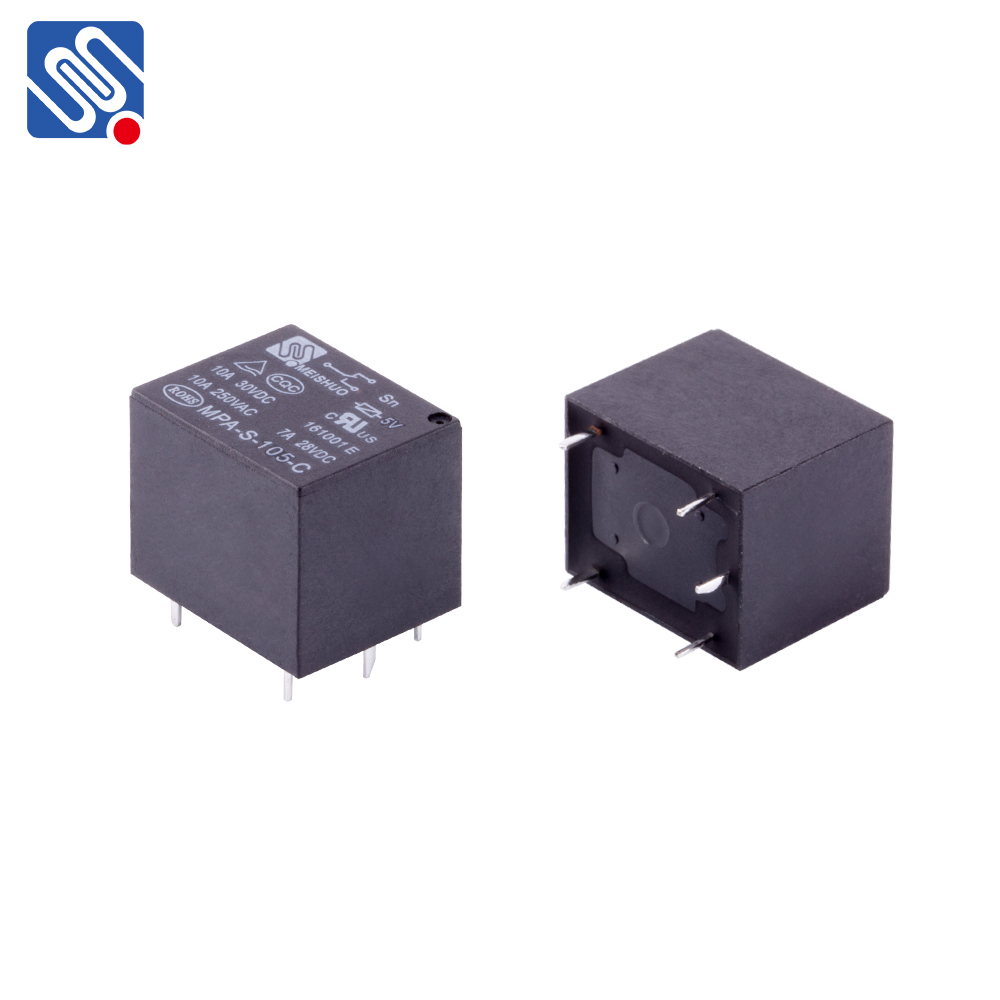
What is a Switch Relay? A switch relay is an electrically operated switch that uses an electromagnet to control the opening and closing of a set of contacts. When a current passes through the relay’s coil, it generates a magnetic field that moves an armature, which in turn opens or closes the relay’s contacts. These contacts are used to control the flow of electricity in a separate, high-power circuit. The beauty of a relay lies in its ability to control large currents with small control signals, making it an essential tool in both low-voltage and high-voltage systems. Key Components of a Switch Relay