Procurement is a critical process in any industry, and when it comes to specialized components like relays, it becomes essential to have a clear understanding of what to look for to ensure quality and reliability. A Relay Procurement Guide provides an invaluable reference to help purchasing teams, engineers, and businesses make informed decisions when acquiring these components. Relays are widely used in numerous applications, from automotive systems to industrial control, and even consumer electronics. With various types, configurations, and specifications available, choosing the right relay requires a detailed understanding of the product’s technical parameters and the specific needs of the application. This guide explores key factors involved in the relay procurement process to ensure optimal performance and value.
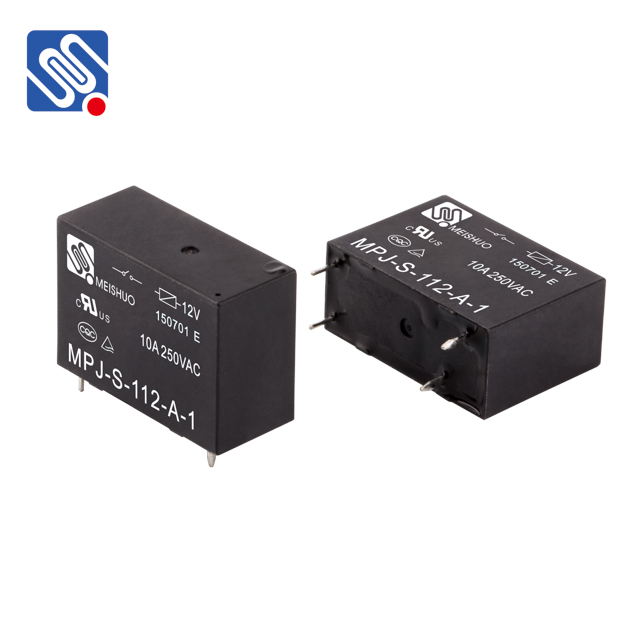
Understanding Relays and Their Types Relays are electrically operated switches that control circuits by opening or closing under specific conditions. They are available in various types, each designed to meet specific requirements. Common relay types include: Electromagnetic Relays (EMR): These are the most commonly used relays, known for their reliability and versatility. They use an electromagnet to open or close contacts. Solid-State Relays (SSR): Unlike traditional electromagnetic relays, SSRs use semiconductor components to switch circuits, offering silent operation and faster switching speeds.