In modern industrial applications, maintaining the quality of fluids is paramount, which is where filtration systems come into play. At the heart of these systems lies a critical component known as the solenoid valve. The Filtration System Solenoid Valve is responsible for controlling the flow of liquids or gases, making it an indispensable part of any filtration setup. This article delves into the functionalities, applications, advantages, and considerations involved in the use of solenoid valves in filtration systems.
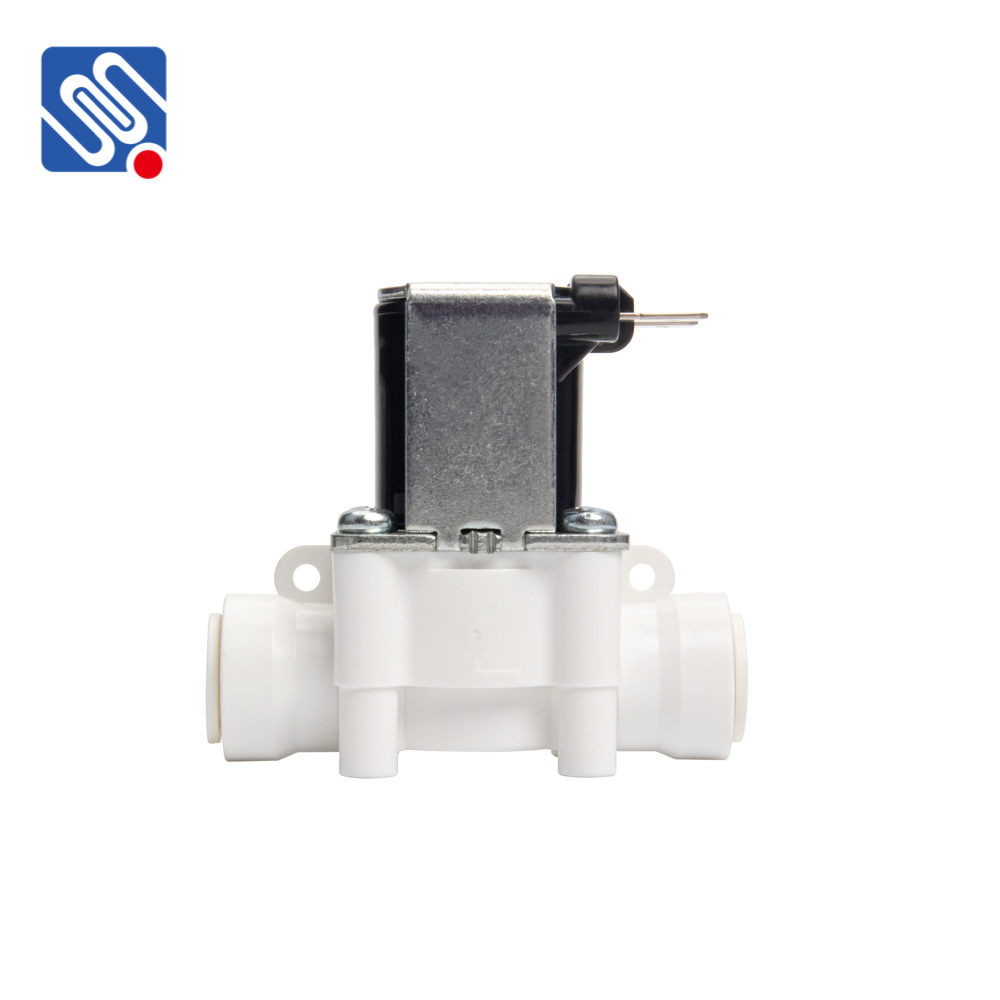
Functionality of Filtration System Solenoid Valves Solenoid valves operate using electromagnetic principles. When electric current passes through a coil, it generates a magnetic field that moves a valve mechanism, either opening or closing a fluid passage. This automated process allows solenoid valves to control the flow of fluids with precision. In filtration systems, they can regulate whether the fluid flows through the filter or bypasses it, thus optimizing the filtration process and ensuring only clean fluid enters the system. Applications in Filtration Systems Filtration system solenoid valves are utilized across various industries. Here are several key applications: