Relay voltage is a crucial concept in the design and operation of electronic circuits and control systems. It refers to the electrical voltage required to activate or control the relay, which, in turn, operates switches or opens and closes contacts in an electrical circuit. Relays are widely used in various applications, from automotive systems to industrial machinery and home appliances. Understanding the importance of relay voltage is essential for engineers and technicians to ensure that systems function correctly and efficiently. In this article, we will explore what relay voltage is, its different types, and how to select the right voltage for specific applications.
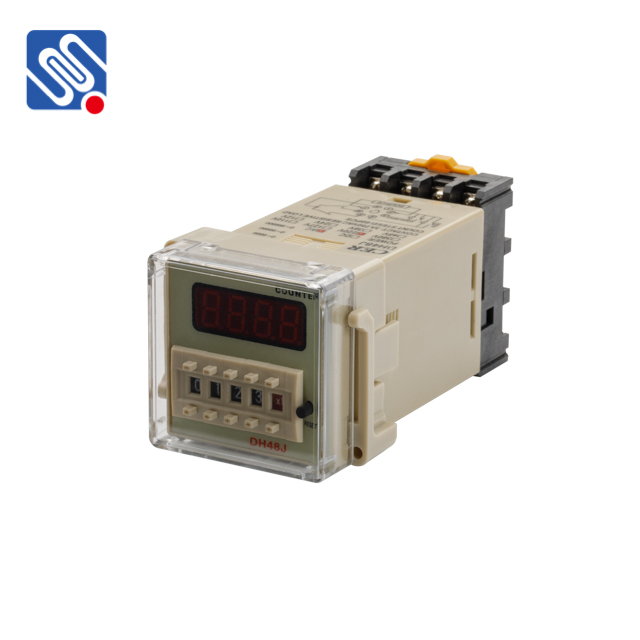
What is a Relay? A relay is an electrically operated switch that is used to control the flow of electricity in a circuit. It works by using an electromagnet to open or close the relay’s contacts. When a specific voltage is applied to the relay’s coil, it creates a magnetic field that either pulls the switch to close the circuit (energizing it) or releases the switch to open the circuit (de-energizing it). This allows for a low-power circuit to control a higher-power circuit. Understanding Relay Voltage Relay voltage is the voltage required to energize the relay’s coil, which causes it to change state. This voltage is critical to the proper operation of the relay, and understanding it helps ensure that the relay performs as intended.