Relay type selection is a crucial aspect in the design and implementation of electrical systems, playing a fundamental role in various applications, from automotive electronics to industrial automation. With numerous types of relays available, understanding the key factors involved in selecting the right relay type is essential for ensuring the reliability, efficiency, and safety of electrical circuits.
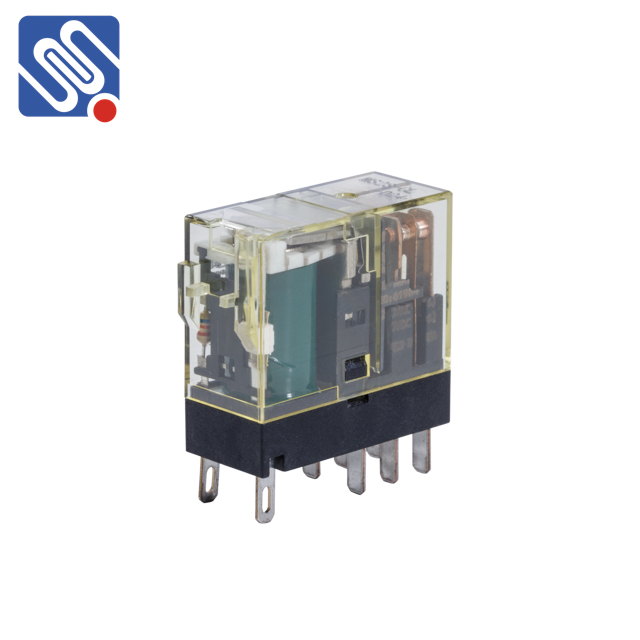
What is a Relay? A relay is an electromagnetic switch that uses an electromagnet to mechanically operate a switch. It allows a low-power signal to control a high-power load, enabling the use of low voltage electronic circuits to control a higher voltage system safely. This capability is what makes relays indispensable in many applications, including isolation, automation, and control. Key Factors in Relay Type Selection Load Characteristics: The first consideration in relay type selection is the load type. Loads can be classified into resistive (incandescent lamps, heating), inductive (motors, transformers), and capacitive loads (capacitor banks). Different loads have different starting currents and requirements for switching devices. For instance, inductive loads can generate voltage spikes (back EMF) when switched off, which necessitates the use of relays with RC snubbers or those designed for high inrush currents.