Industrial Control Relays are essential components in the realm of automation and control systems in industrial settings. They bridge the gap between low-power control signals and high-power operational devices, making them crucial in a wide array of applications, from manufacturing floors to power plants. This article provides an in-depth look into Industrial Control Relays, including their working principles, types, applications, advantages, and considerations for use.
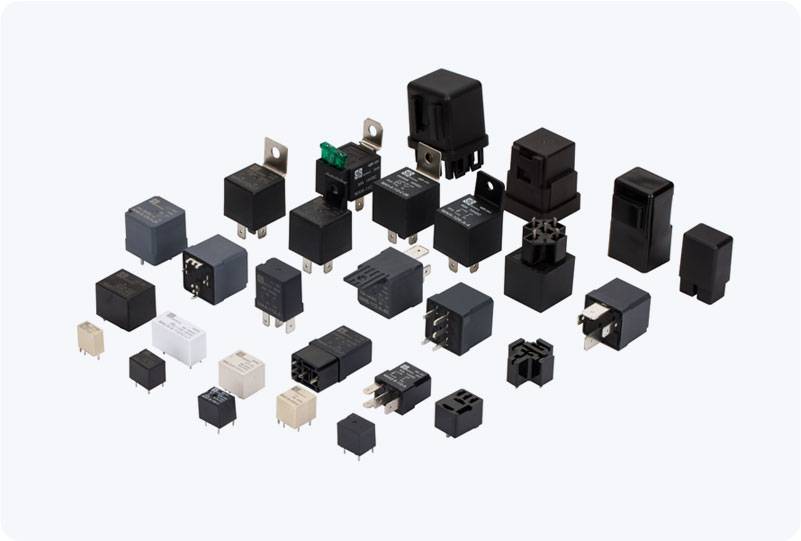
Working Principles At the core of an Industrial Control Relay is a simple electromagnetic mechanism. When an electrical current passes through the winding of the relay, it generates a magnetic field that activates a metal armature. This armature moves in response to the magnetic field, either closing or opening a set of contacts. This operation allows a small control signal to control a larger electrical current flowing to industrial devices such as motors, lights, and heaters. Relays operate on the principle of electromagnetic induction, where low voltage signals control the opening and closing of contacts that manage high-voltage circuits. This inherent capability of controlling large loads with minimal power input highlights the effectiveness and efficiency of Industrial Control Relays in various applications.