In the age of the Internet of Things (IoT) and smart cities, reliable and efficient communication networks are more crucial than ever. One of the key technologies enabling such networks is the Low Power Communication Relay. These devices are designed to extend the reach and reliability of wireless communication systems, especially in scenarios where traditional, high-power communication technologies might fail due to power constraints or distance limitations. Low power communication relays offer an efficient solution for expanding network coverage while keeping energy consumption to a minimum, which is vital in the IoT ecosystem, where battery-powered devices are common.
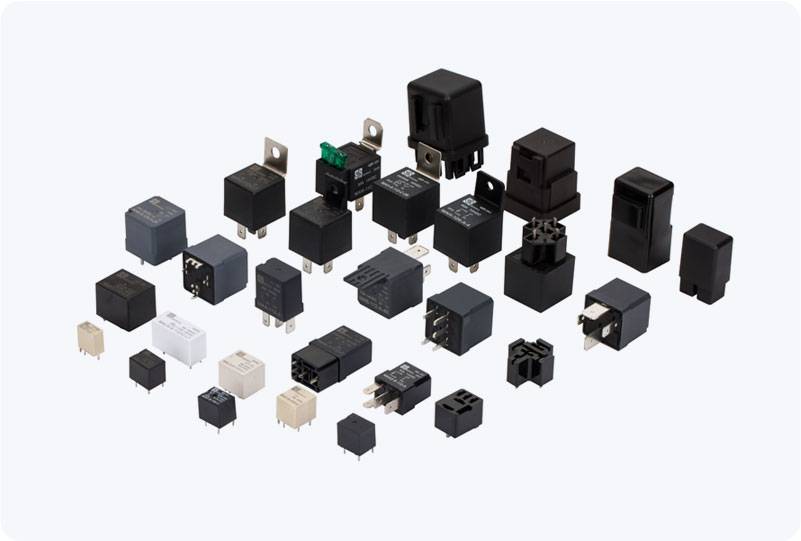
The Basics of Low Power Communication Relay A low power communication relay is a network node that receives a signal from one source and transmits it to another, effectively extending the range of communication between devices. Unlike regular relays, these devices are specifically designed to operate with minimal energy usage. This is accomplished through various techniques, such as using low-power transmission protocols, reducing idle power consumption, and utilizing efficient routing algorithms. These relays play an essential role in ensuring the smooth operation of wireless sensor networks (WSNs), smart homes, and other IoT applications. The main advantage of using a low power communication relay is that it helps to maintain communication over long distances or in environments where a direct line of communication is not feasible.