Time Delay Relay (TDR) is a crucial component widely used in various electrical and automation applications. By introducing a delay in the operation of electrical circuits, TDRs help in optimizing processes, improving safety, and enhancing efficiency in both industrial and residential settings. This article aims to provide a comprehensive overview of Time Delay Relays, including their functionality, types, and applications.
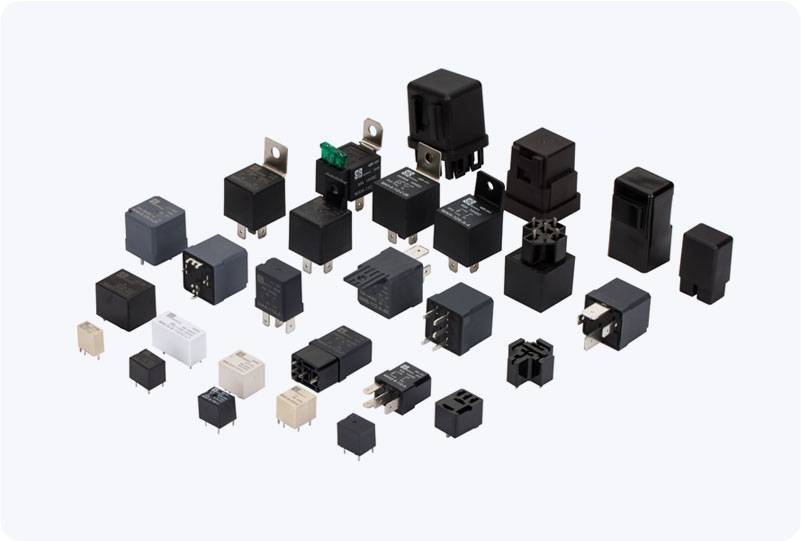
Functionality of Time Delay Relay At its core, a Time Delay Relay serves as an electromechanical or electronic switch that operates based on timing, rather than merely instantaneous voltage changes. The relay remains in its default state until it receives a triggering signal, after which it initiates a timing sequence. Once this pre-set time interval elapses, the relay activates its output circuit, either closing or opening it, depending on the desired function. The typical cycle of operation starts with the application of a voltage at the input terminals. After a specified delay period—ranging from milliseconds to several hours—the relay activates or deactivates the output. The duration of the delay is often adjustable, allowing users to customize the timing according to their specific needs.