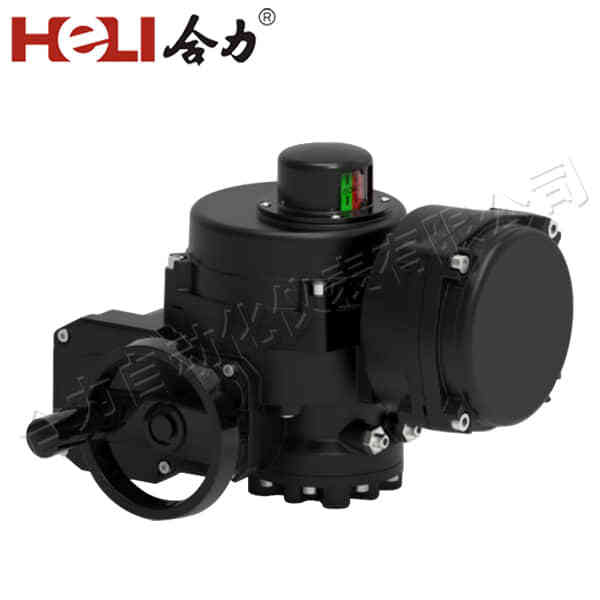
Electric actuator valves are increasingly becoming a crucial component in various industrial applications, providing efficient and reliable solutions for fluid control. This article aims to explore the fundamental aspects of electric actuator valves, including their components, working principles, applications, advantages, and disadvantages.
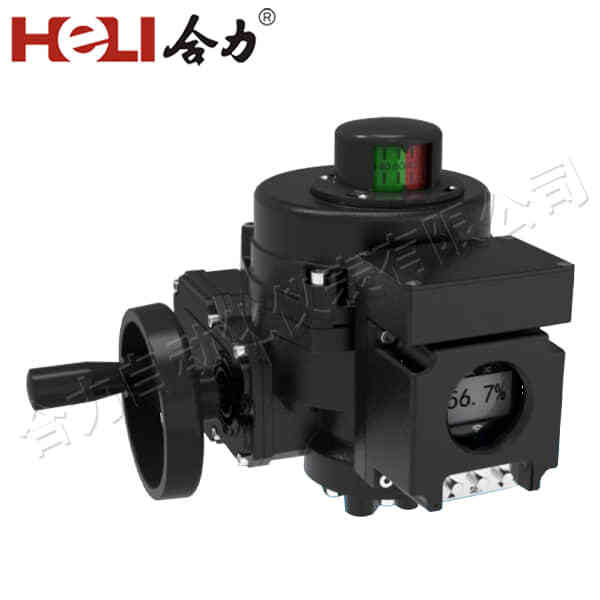
What is an Electric Actuator Valve?
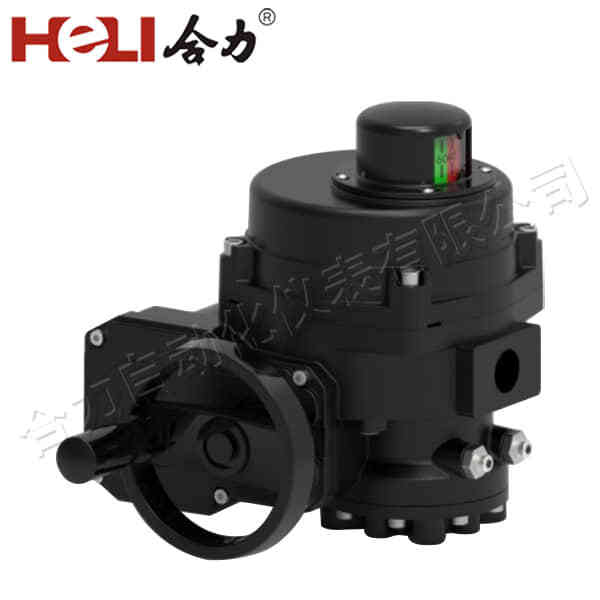
An electric actuator valve is a type of valve that uses an electric motor to enable the opening, closing, or modulation of fluid flow through the valve. These valves are essential in systems where precision and automation are required. They can control the flow of liquids and gases in a variety of settings, including manufacturing plants, power generation facilities, and HVAC (heating, ventilation, and air conditioning) systems. Main Components of Electric Actuator Valves Electric actuator valves are composed of several key components: Electric Motor: The core component that provides the driving force. Depending on the application, it may utilize either AC (alternating current) or DC (direct current) power.