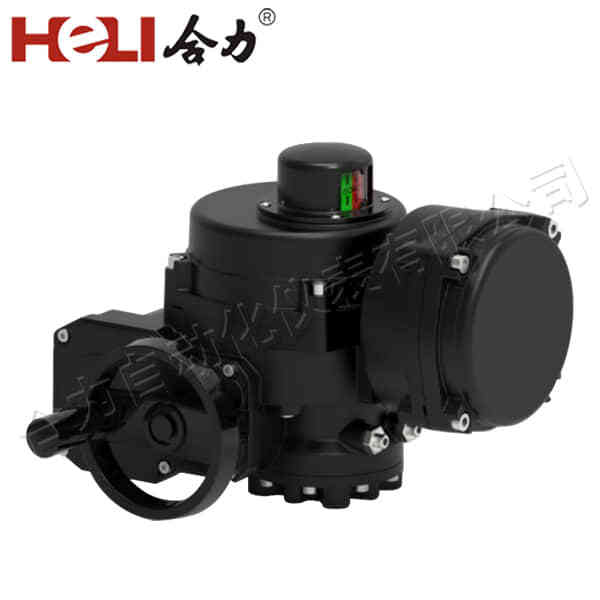
Electric actuator valves are an essential component in modern industrial systems, providing precise and efficient control over the flow of fluids and gases. These valves, which are operated by electric motors, are used in a wide range of applications, from HVAC systems to chemical processing and water treatment plants. This article aims to explore the workings, advantages, applications, and key considerations when using electric actuator valves.
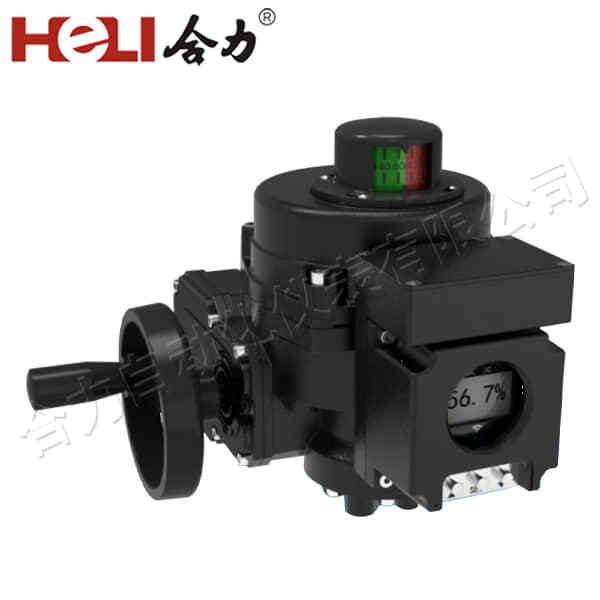
What is an Electric Actuator Valve?
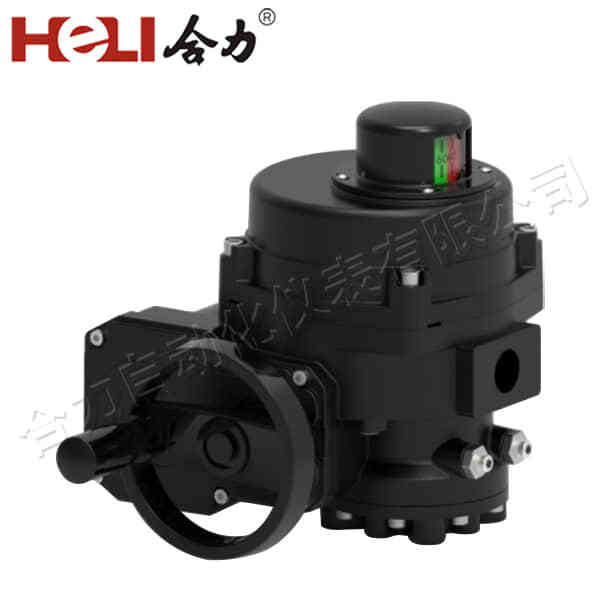
An electric actuator valve consists of two main components: the valve itself and the electric actuator that operates it. The electric actuator, powered by an electric motor, provides the necessary force to open, close, or modulate the valve’s position. This type of valve control mechanism allows for both on/off operation as well as precise modulation, depending on the application. The motor inside the actuator is connected to a gear mechanism, which translates rotational motion into linear motion that controls the valve’s position. The actuator is typically equipped with position sensors that send feedback to a control system, ensuring the valve operates accurately and efficiently.