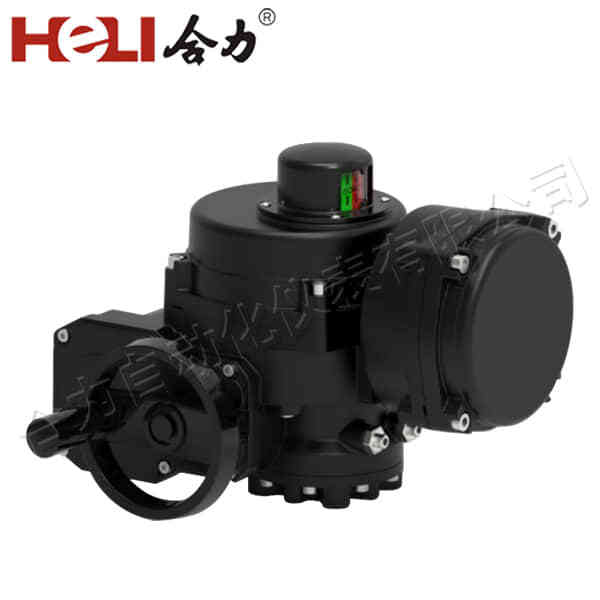
In today’s rapidly advancing industrial landscape, the need for precision and automation has become more crucial than ever. A key player in this movement is the Valve Electric Actuator Manufacturer industry, which provides innovative solutions for controlling the flow of various fluids and gases in pipelines, tanks, and vessels across numerous sectors. Electric actuators, particularly in valve applications, have revolutionized industries such as oil and gas, power generation, water treatment, and chemical processing by offering more reliable, efficient, and precise control systems compared to their manual or pneumatic counterparts. In this article, we will explore the significance of valve electric actuators, the manufacturers behind them, and the technological advancements that continue to shape this vital component in industrial automation.
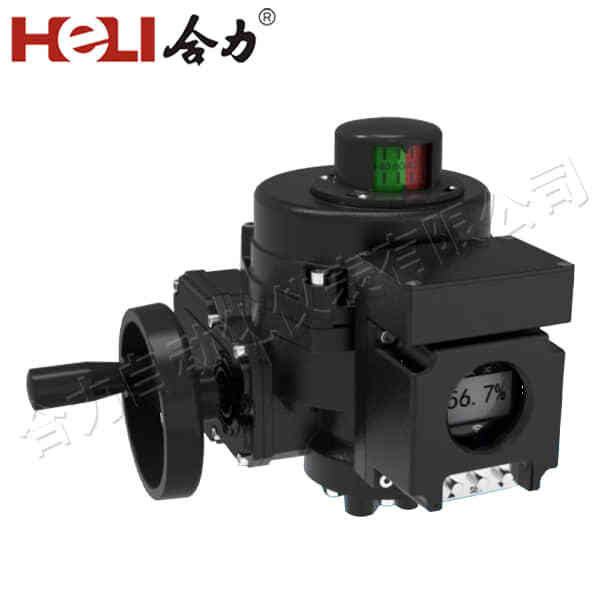
The Functionality of Electric Actuators
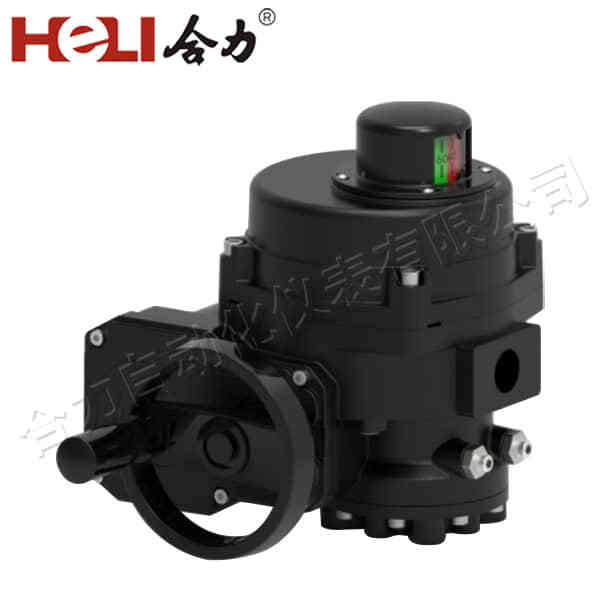
Electric actuators are mechanical devices used to open, close, or modulate the operation of a valve, utilizing electric power to drive the motion. They are commonly used in industries where automated control is essential, such as controlling the flow, temperature, or pressure within a system. Unlike manual valves, which require human intervention to operate, or pneumatic actuators that rely on air pressure, electric actuators are powered by electric motors, making them more precise and easier to integrate with modern control systems. In essence, valve electric actuators convert electrical energy into mechanical motion, often through a combination of motors, gears, and linkages. They are available in different types, such as quarter-turn actuators (for ball valves or butterfly valves) and linear actuators (for globe valves), each suited for specific applications.