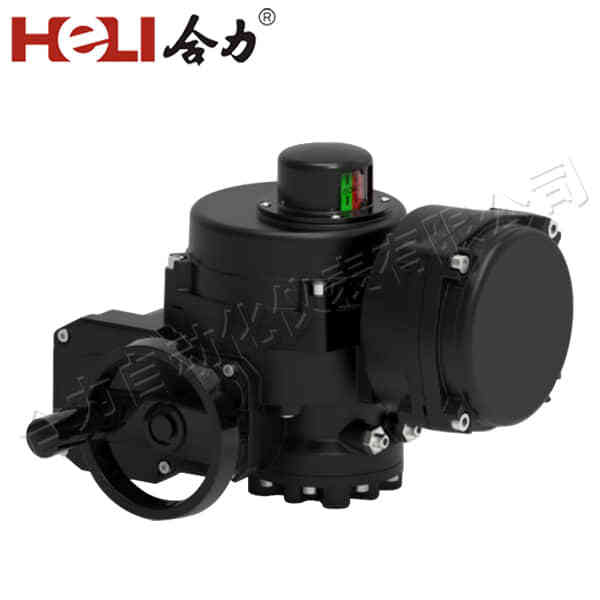
Electric actuator valves are essential components in modern industrial automation systems. By utilizing electric power to operate, these valves control the flow of fluids, gases, or slurries in a wide range of industries, including oil and gas, chemical processing, water treatment, and HVAC systems. This article will delve into the working principles, features, and applications of electric actuator valves, explaining why they are becoming increasingly popular in industrial settings.
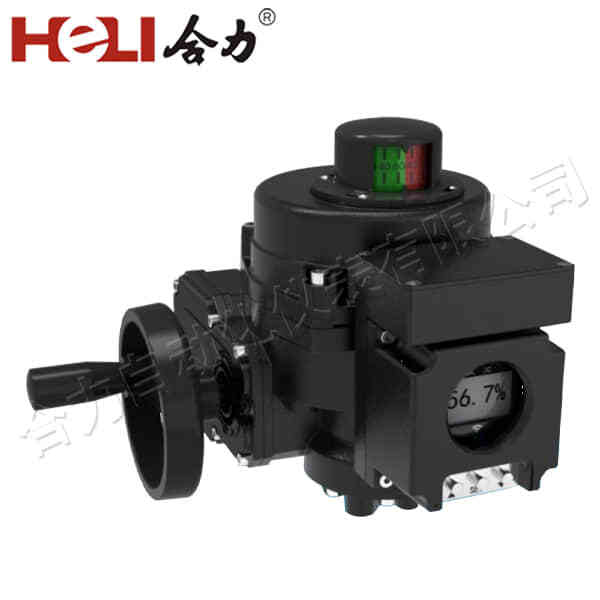
What is an Electric Actuator Valve?
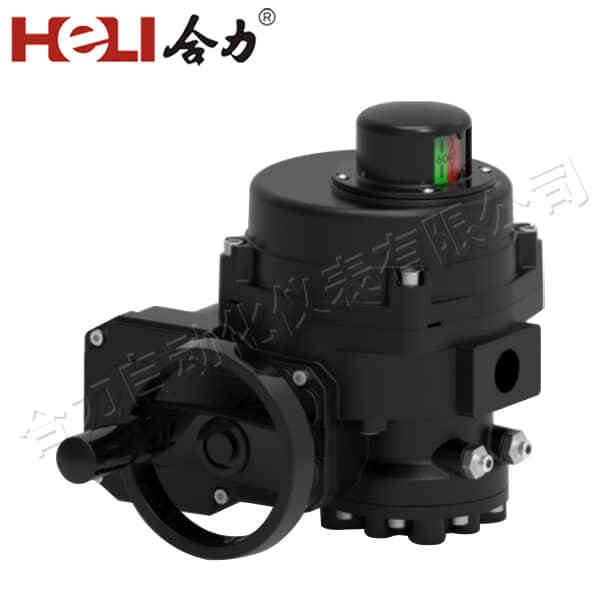
An electric actuator valve consists of two primary components: the electric actuator and the valve body. The electric actuator is a motorized device that provides the necessary force to open or close the valve, while the valve body can be designed in various forms, such as ball valves, butterfly valves, gate valves, and globe valves. These valves are controlled remotely using electrical signals, making them a crucial element in automated processes. How Does an Electric Actuator Valve Work? The operation of an electric actuator valve is straightforward but highly efficient. It begins with the valve receiving an electrical signal from a control system. This signal could be analog (4-20mA, 0-10V) or digital (on/off) depending on the type of control system. The electric actuator then uses an electric motor to rotate the valve stem or mechanism, which in turn adjusts the valve’s position. The valve can be fully opened, partially opened, or fully closed depending on the required flow rate or process specification.