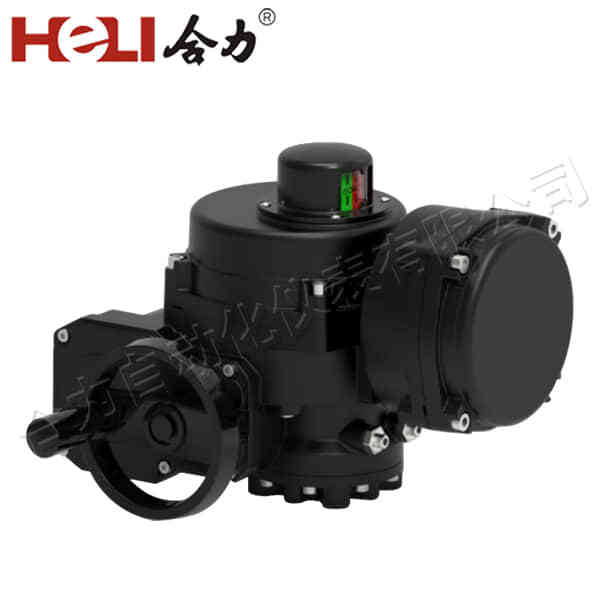
Electric actuators for valves have become an indispensable component in modern industrial systems. As industries evolve and demand for automation increases, the role of these actuators in controlling valve functions has gained significant importance. Whether it is controlling fluid flow in pipelines or adjusting pressure in manufacturing plants, electric actuators offer the precision, reliability, and energy efficiency required for various applications. This article delves into the functioning, types, advantages, and uses of electric actuators for valves, highlighting their essential role in industrial automation.
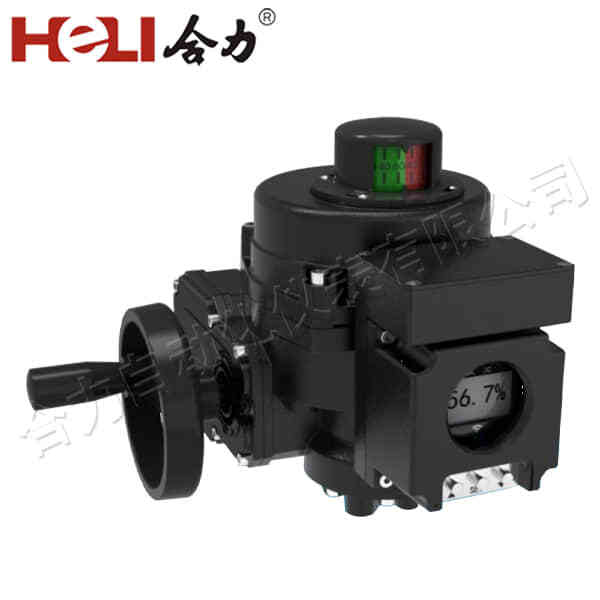
What is an Electric Actuator for Valves?
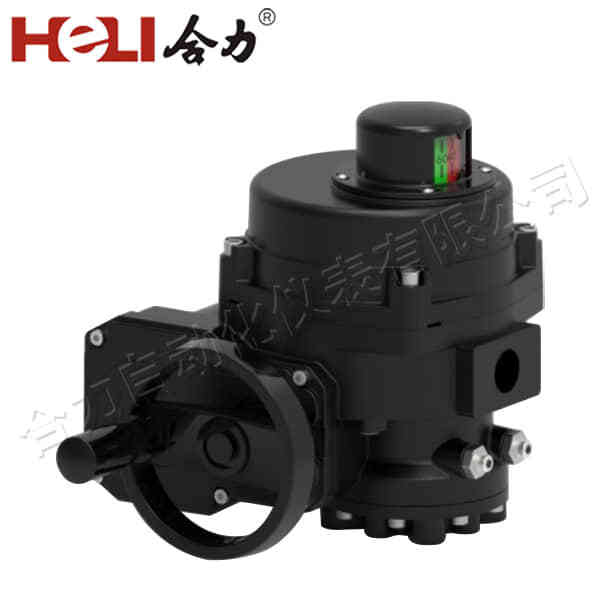
An electric actuator for valves is a mechanical device that uses an electric motor to control the movement of a valve, typically to open, close, or modulate the valve’s position. These actuators are designed to translate electrical signals into mechanical movement, making them a vital part of automated systems. The movement generated by the actuator is used to drive the valve either to fully open, fully close, or maintain a particular position within a fluid system. Electric actuators come in various forms, but they all rely on an electric motor combined with gears, control circuits, and sensors to perform the required task. These actuators are typically controlled by a signal from a remote control or a local automated system, allowing for precise control of flow, pressure, temperature, or other critical parameters within the system.