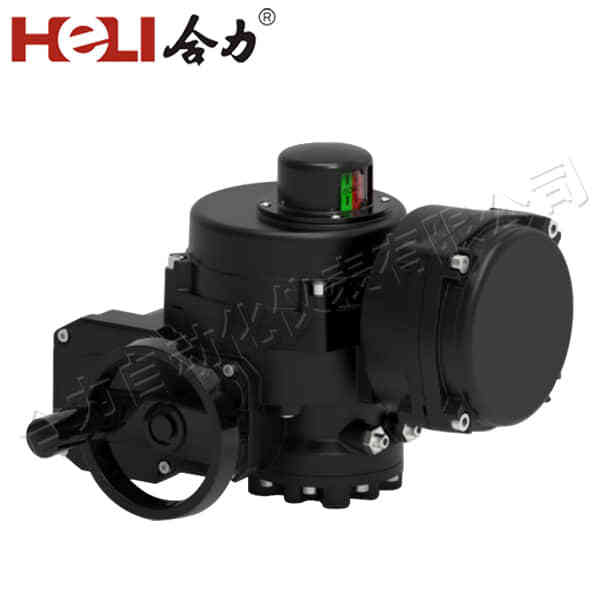
Electric actuator valves are pivotal in modern industrial processes, enabling efficient and precise fluid control. These valves, powered by electric actuators, have become integral in various sectors, including chemical, oil and gas, water treatment, HVAC systems, and more. Their ability to automate and regulate the flow of liquids and gases with minimal human intervention makes them indispensable in contemporary industrial operations. This article explores the working principles, benefits, applications, and the future potential of electric actuator valves.
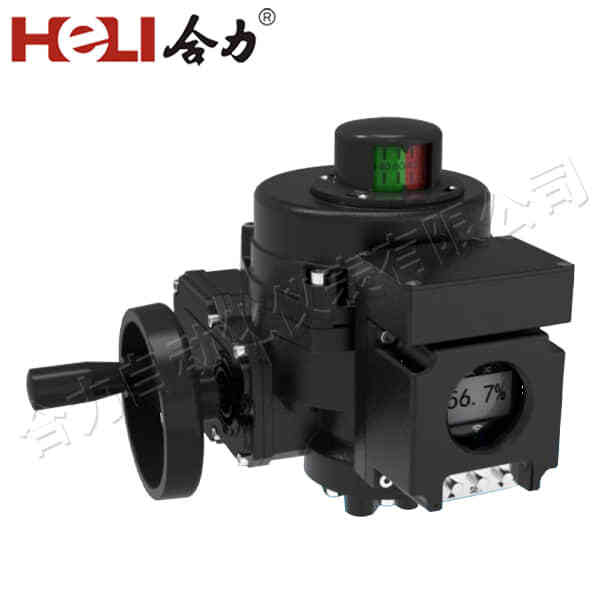
What Are Electric Actuator Valves?
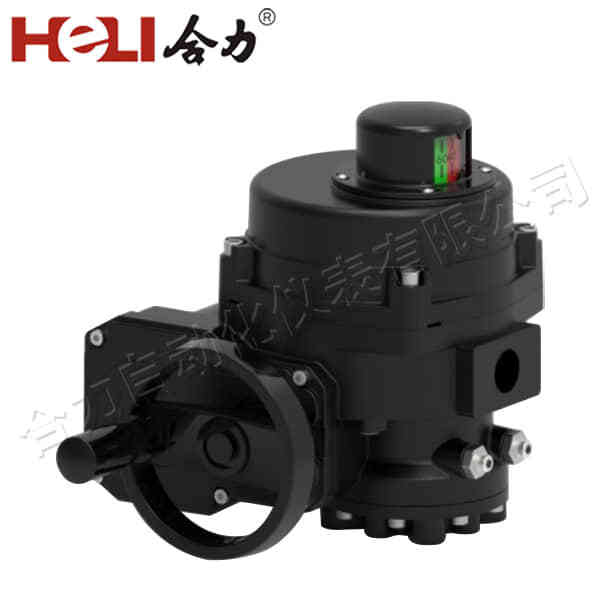
Electric actuator valves combine a valve and an electric actuator to regulate the flow of fluid within a system. The valve itself can be a ball valve, butterfly valve, globe valve, or any other type suited for controlling fluid flow. The electric actuator, typically consisting of an electric motor and mechanical gear system, drives the valve to open or close based on a signal from a control system. This makes electric actuator valves ideal for remote operation and automation in process control systems. The actuation process involves receiving an electrical signal (often in the form of a 4-20mA current signal or a 0-10V voltage signal) from a controller or automation system. The actuator interprets this signal and converts it into mechanical movement that turns the valve, thus regulating the flow rate. Some advanced electric actuators also provide feedback signals to the control system, allowing real-time monitoring of the valve’s position.