**标题: Understanding Electric Actuator Valve and Its Applications**
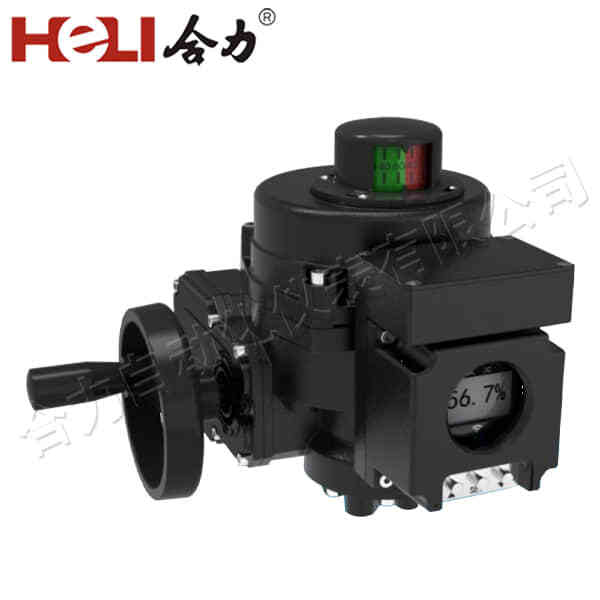
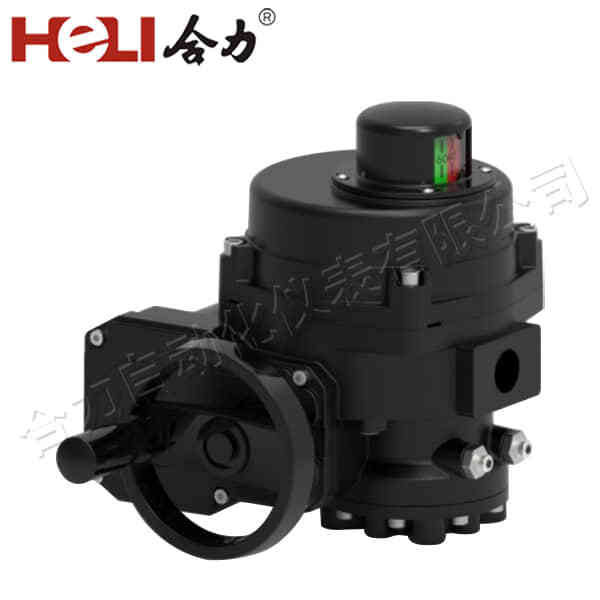
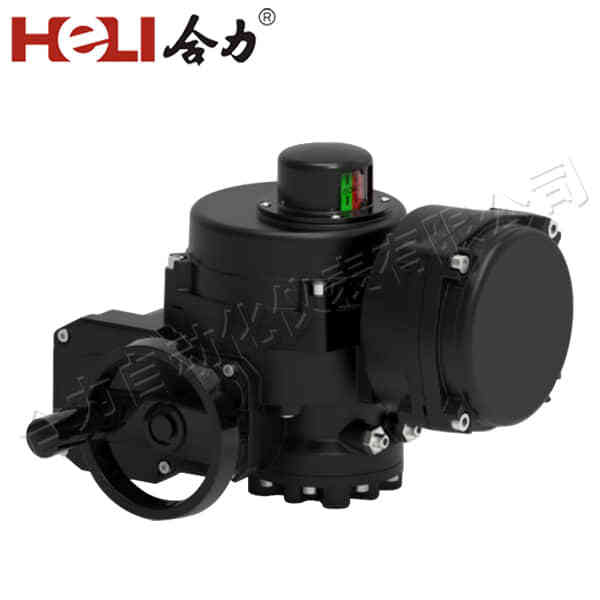
An electric actuator valve is a crucial component in modern industrial automation, enabling precise control over fluid flow within pipelines. Combining the mechanical structure of a valve with the electrical control of an actuator, this device is widely used across various industries, including oil and gas, water treatment, chemical processing, and HVAC systems. Its versatility, accuracy, and reliability make it an indispensable tool in both process control and automation systems. At its core, an electric actuator valve consists of two primary components: the valve body and the electric actuator. The valve body can vary in type, including ball valves, butterfly valves, and gate valves, each suited for different operational requirements. The electric actuator, on the other hand, is responsible for converting electrical signals into mechanical motion to open, close, or modulate the valve. This actuator typically includes an electric motor, a gear reduction system, position sensors, and a control unit. By receiving a control signal, such as a 4-20 mA or 0-10 V input, the actuator adjusts the valve’s position accurately to regulate the flow of fluids.