As electric vehicles (EVs) continue to dominate the automotive industry, the need for efficient and reliable electrical components becomes increasingly critical. One of the key components in modern electric vehicle (EV) systems is the 48V automotive relay, which plays a vital role in managing the power distribution and ensuring the safe and efficient operation of various electrical systems. With the transition to 48V electrical architecture, this relay is becoming indispensable for high-performance EVs and hybrid vehicles. In this article, we will explore the importance of the 48V automotive relay, its applications, and the challenges it faces in the automotive sector.
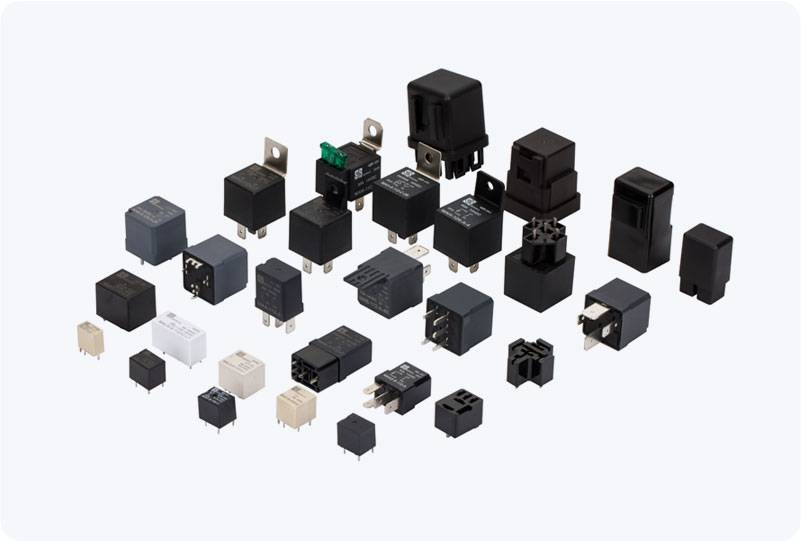
What is a 48V Automotive Relay? A 48V automotive relay is an electromechanical switch designed to control high-voltage electrical circuits within vehicles, specifically those running on 48V electrical systems. In an electric vehicle, various systems—such as the battery management system (BMS), electric motor, air conditioning system, and more—require a reliable relay to manage the flow of electrical energy. These relays are built to handle the increased voltage demands associated with the 48V architecture, offering improved power efficiency compared to traditional 12V systems. Importance of 48V Systems in Electric Vehicles