A 220V 30A relay is an essential component in both industrial and residential electrical systems, offering a means to control high-power devices using low-power control signals. This article will explore the basic principles of the 220V 30A relay, its typical applications, key features, and important considerations when choosing and using it.
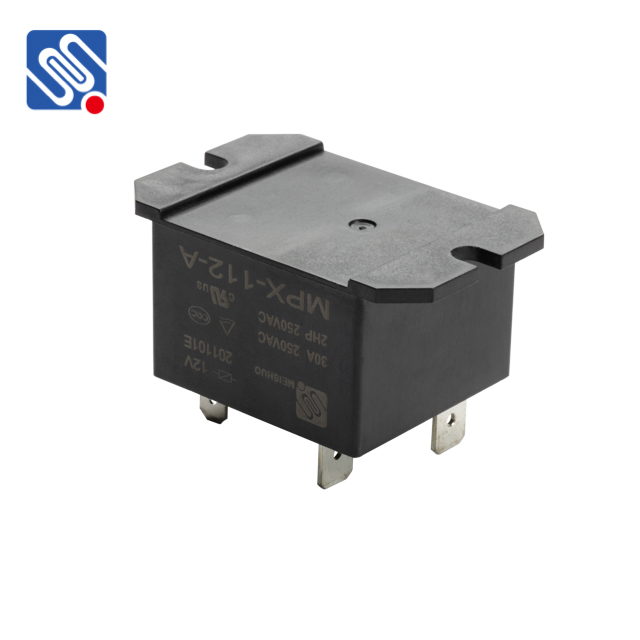
Introduction to 220V 30A Relay At its core, a 220V 30A relay is an electromagnetic switch used to control a circuit by opening or closing its contacts. Relays serve as intermediaries between low-voltage control circuits and high-voltage load circuits. They are widely used in many applications where automation or remote control of electrical devices is necessary. The 220V designation refers to the voltage rating of the coil side of the relay. This means the relay is designed to operate using a 220V AC power supply for the coil. On the other hand, the 30A specification denotes the maximum current that the relay can switch through its contacts, which is particularly useful for handling devices that draw large currents such as motors, compressors, and heating systems.