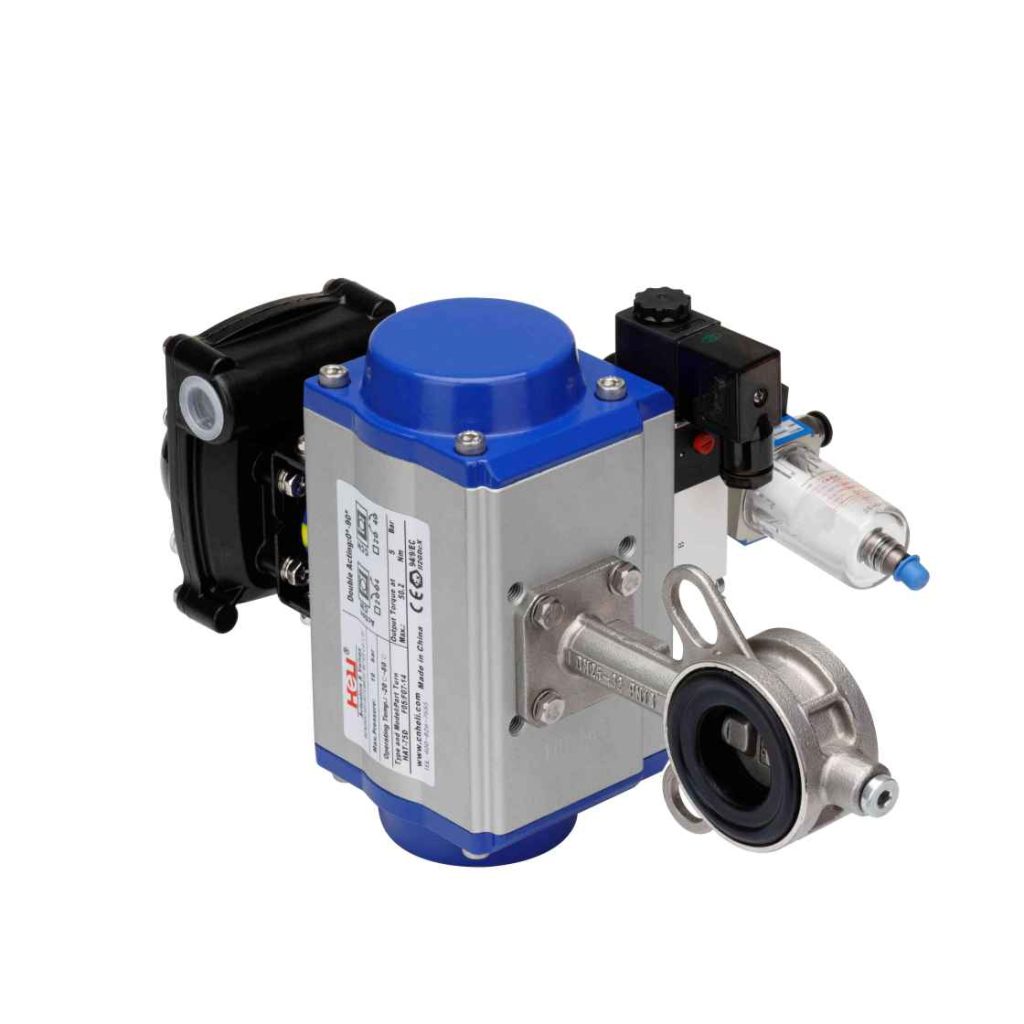
The WCB Pneumatic Butterfly Valve is an essential component in many industrial fluid control systems. This valve, made from WCB (Carbon Steel), is widely used for regulating the flow of fluids, gases, and particulate materials in various pipelines. Its robust construction, efficient design, and ease of operation make it a popular choice for industries like oil and gas, chemical processing, power generation, and water treatment. This article explores the key features, working principles, advantages, and applications of the WCB Pneumatic Butterfly Valve.
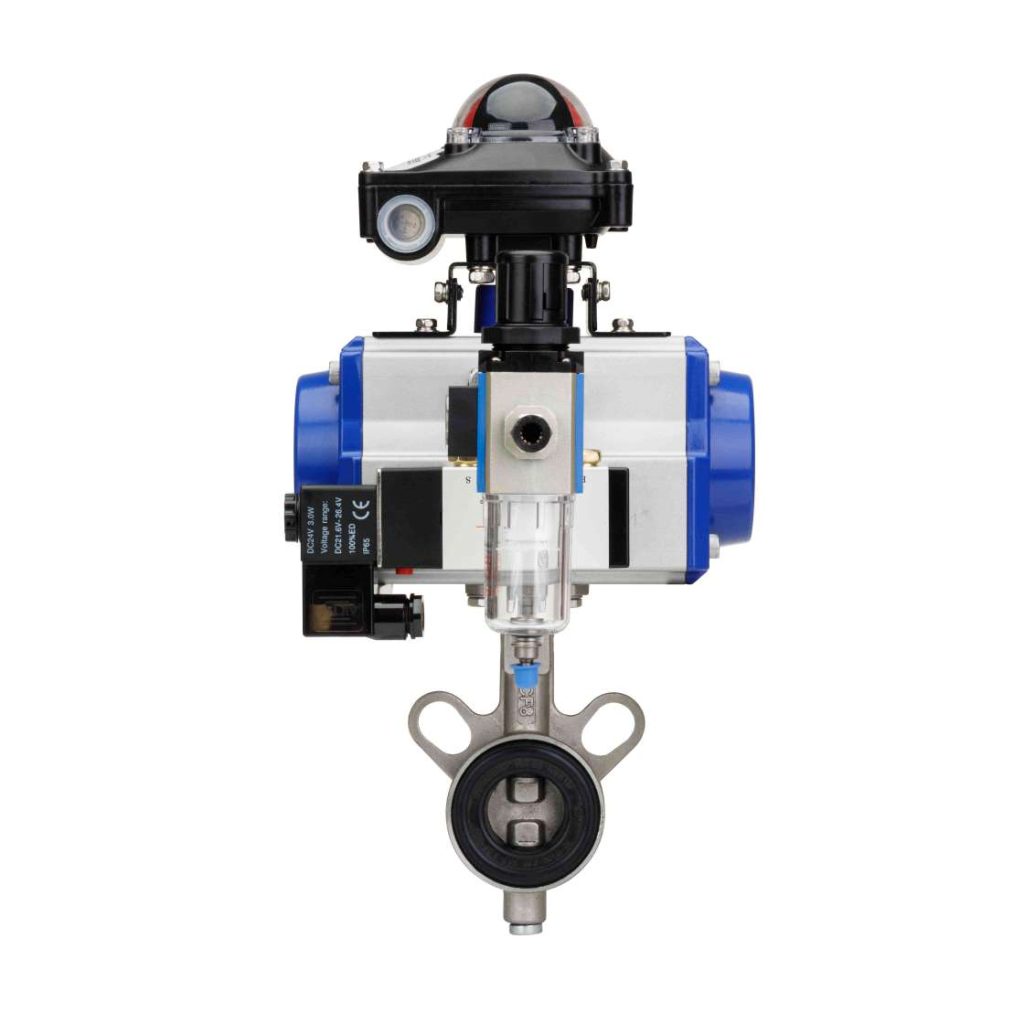
Key Features of WCB Pneumatic Butterfly Valve
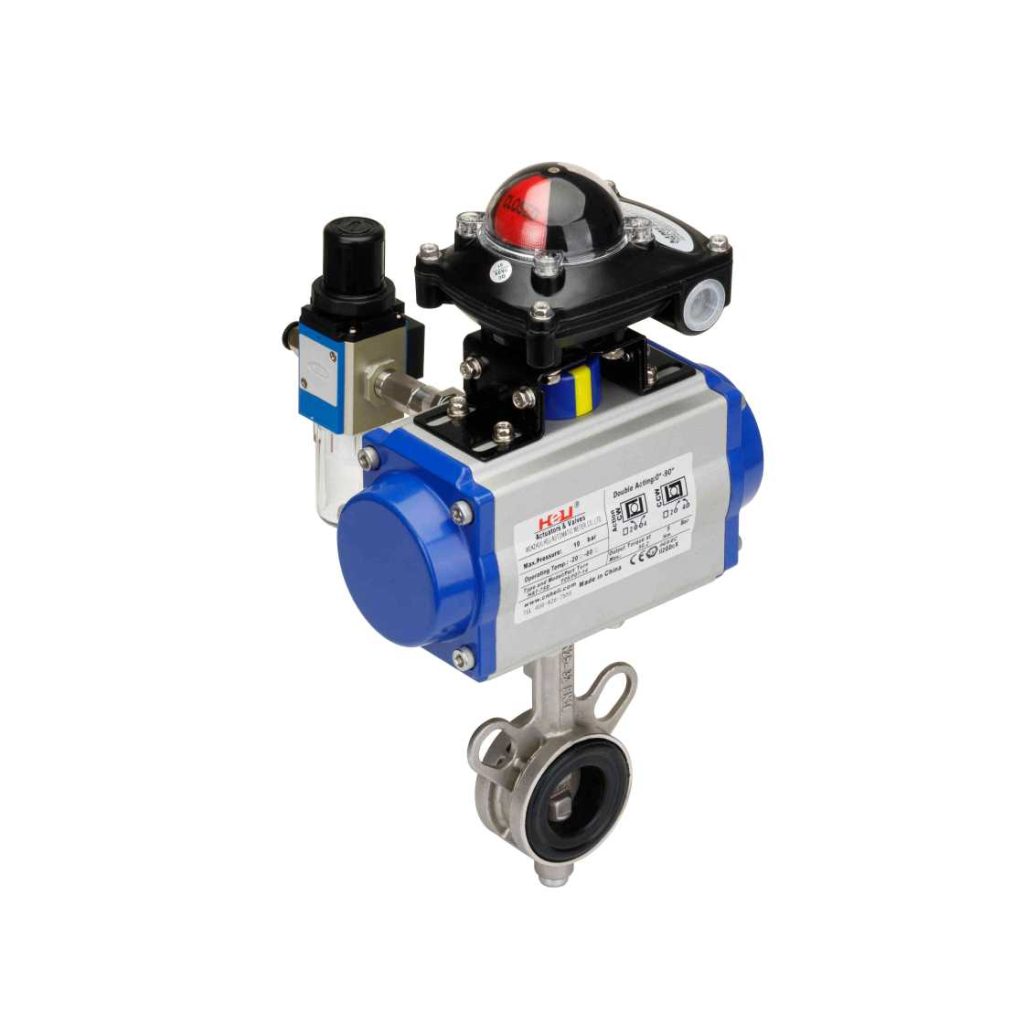
The WCB Pneumatic Butterfly Valve features a body constructed from carbon steel, a material known for its strength, durability, and corrosion resistance. Carbon steel valves like the WCB version are well-suited to handle a variety of operating conditions, including high pressures and temperatures, making them versatile for many industrial applications. The main components of this valve are the valve body, the butterfly disc, the actuator (pneumatic), and the sealing elements. The pneumatic actuator is powered by compressed air, which drives the rotation of the valve disc to either open or close the valve. The disc rotates on a central axis, adjusting the flow of media through the valve.