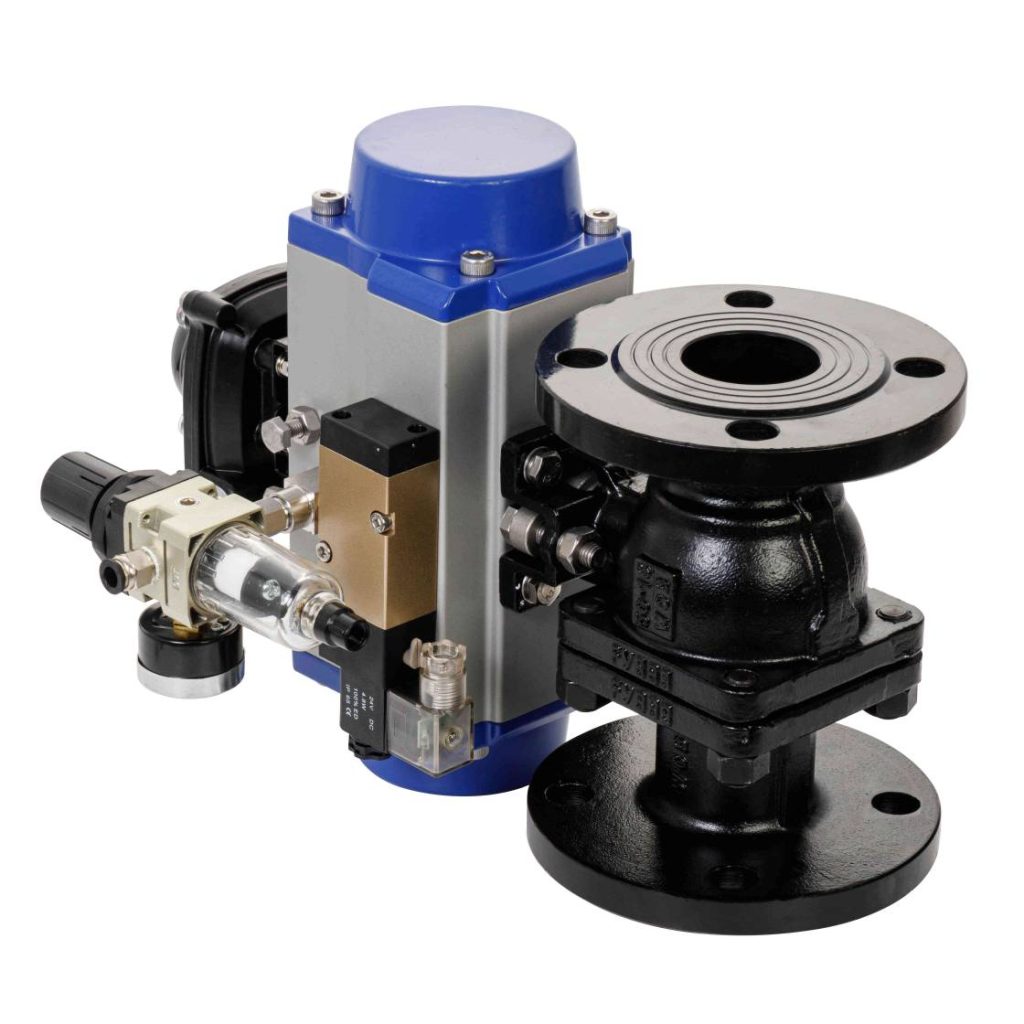
WCB Pneumatic Ball Valves are essential components in modern industrial processes, used primarily for regulating the flow of fluids through pipes. Combining the robust properties of WCB (cast steel) material with the versatility and efficiency of pneumatic actuation, these valves offer several advantages in terms of performance, reliability, and automation. In this article, we will explore the key features, benefits, applications, and installation guidelines of WCB Pneumatic Ball Valves.
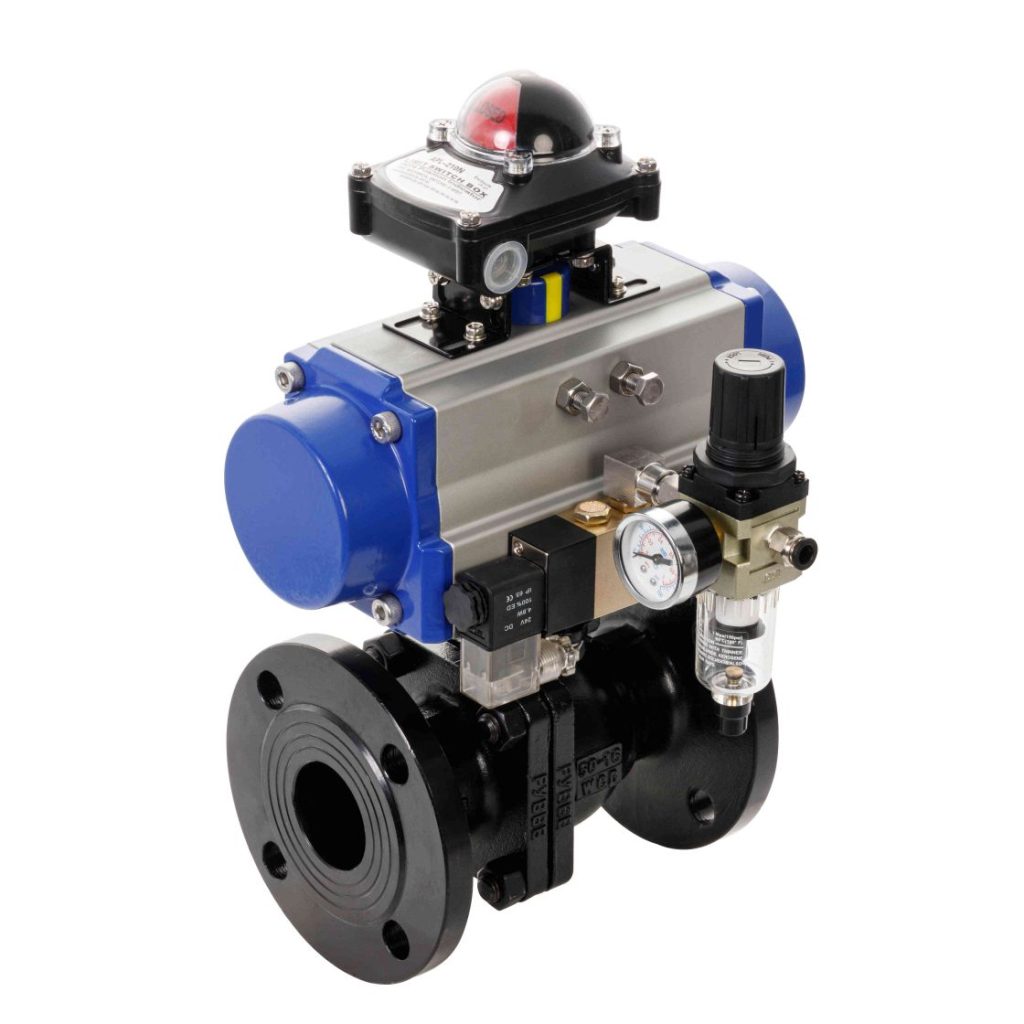
What is a WCB Pneumatic Ball Valve?
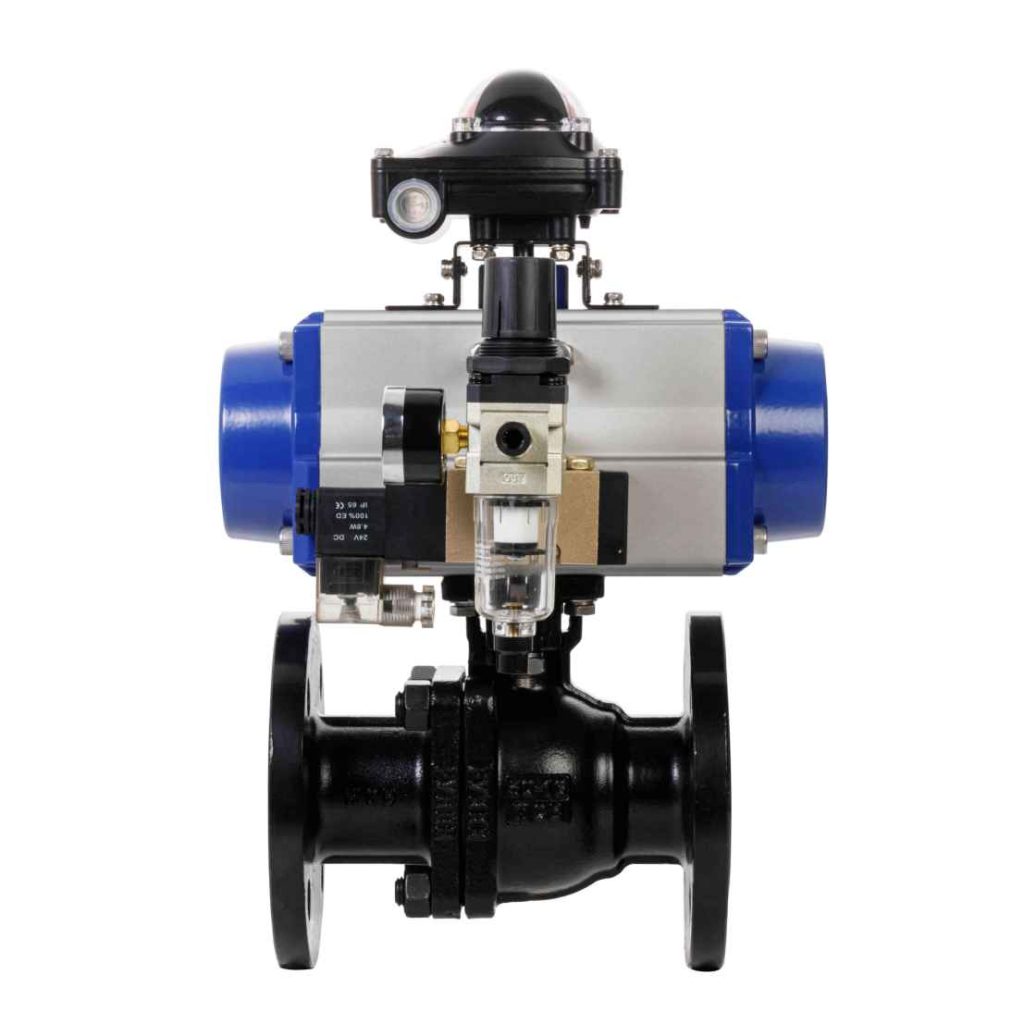
A WCB Pneumatic Ball Valve consists of a ball valve body made from WCB cast steel, paired with a pneumatic actuator. The ball valve’s primary function is to control the flow of fluids by rotating a ball with a hole or port through which the fluid flows. When the valve is actuated by compressed air through the pneumatic actuator, the ball rotates 90 degrees to open or close the flow path. This design makes it ideal for applications where quick and reliable on/off control of fluid is needed. The WCB material, which stands for Wrought Carbon Steel, provides strength, durability, and resistance to corrosion, making it suitable for high-pressure and high-temperature applications in various industries.