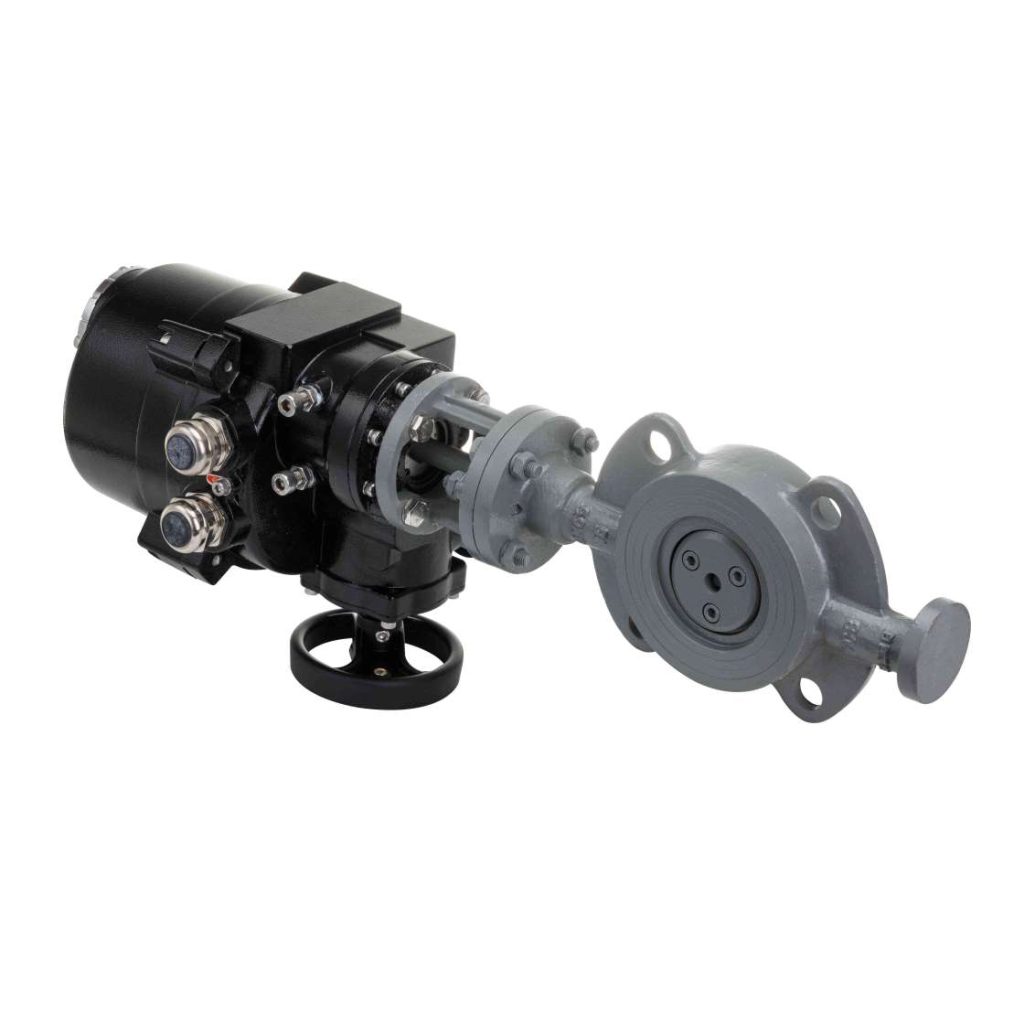
The WCB Marine electric butterfly valve is an essential component in modern marine engineering, offering a reliable solution for controlling fluid flow in various marine and offshore systems. With its robust construction and electric actuation mechanism, it is designed to perform under challenging conditions, providing efficiency, durability, and ease of operation. This article explores the features, advantages, and applications of the WCB Marine electric butterfly valve, focusing on its importance in marine and offshore environments.
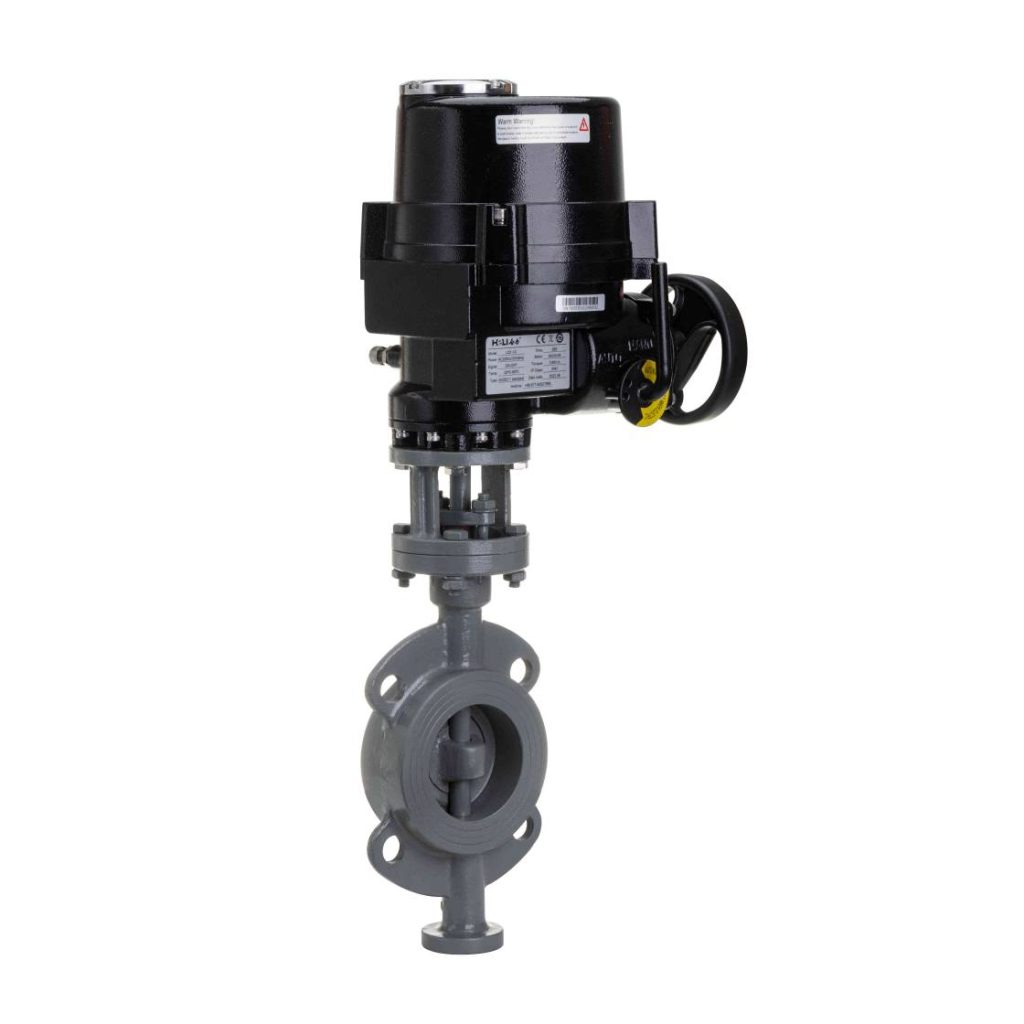
Introduction to WCB Marine Electric Butterfly Valve
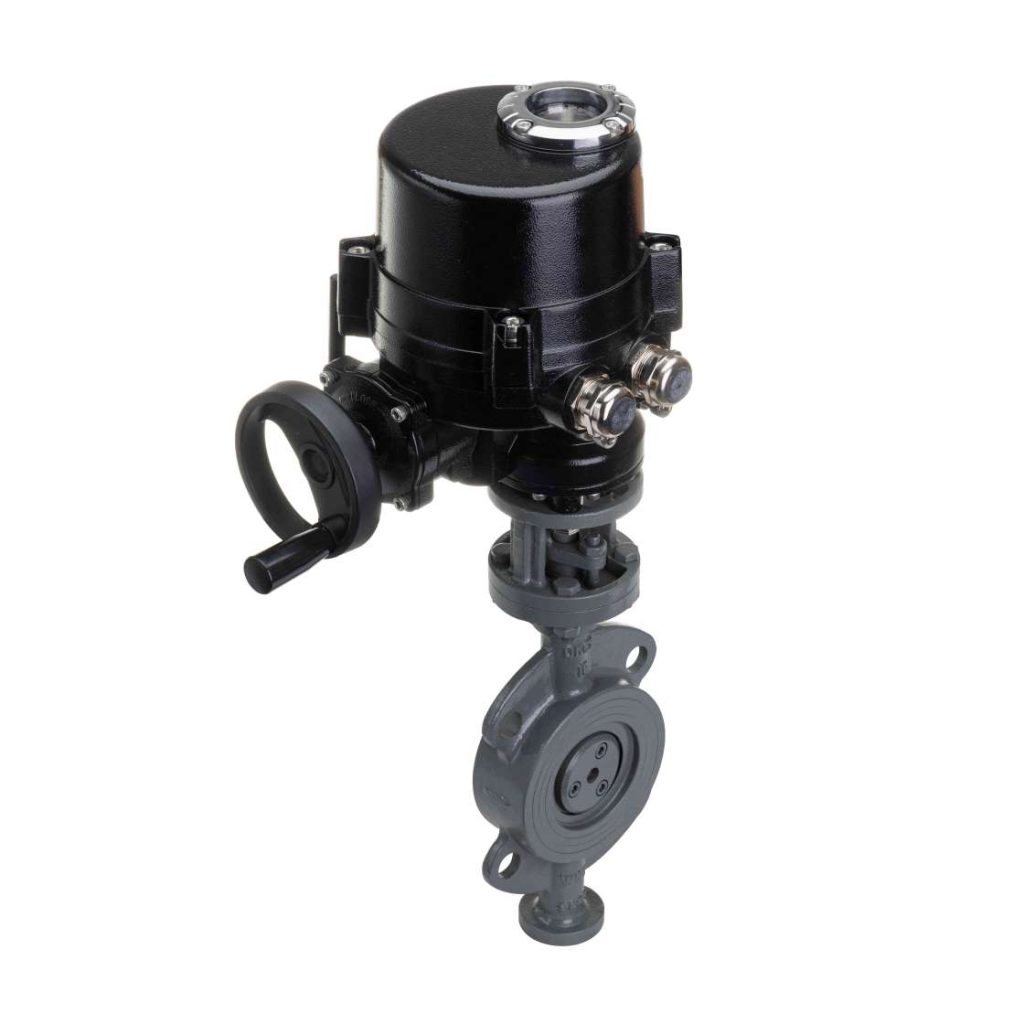
The WCB Marine electric butterfly valve combines the practicality of a butterfly valve with the precision and control of electric actuation. WCB refers to the material specification—Weldable Cast Steel, a durable and corrosion-resistant metal ideal for marine environments. The electric butterfly valve design uses a circular disc (or butterfly) that rotates to regulate or isolate the flow of fluids in a pipeline. This type of valve is especially useful for large-scale applications in marine systems where reliability and performance are paramount. Material Composition and Durability The WCB Marine electric butterfly valve is made from high-quality materials that ensure long-lasting performance in harsh marine environments. The WCB (Weldable Cast Steel) material is known for its excellent resistance to corrosion, making it suitable for saltwater applications where standard metals may deteriorate quickly. This corrosion resistance is critical in maritime systems that are exposed to constant humidity, saltwater, and varying temperatures, ensuring the valve’s longevity and reducing maintenance costs.