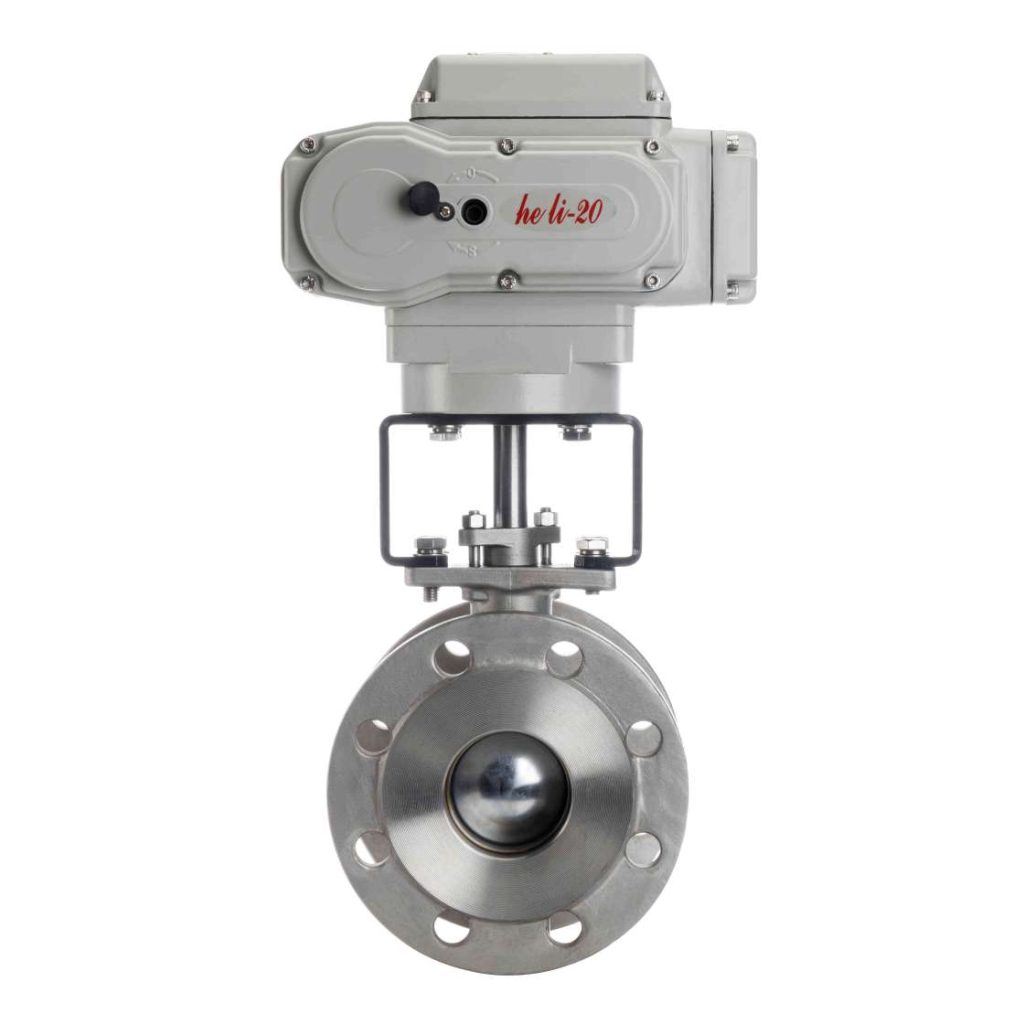
The WCB Electric V-ball valve is an essential component in the industrial sector, particularly when precise flow control and automated operation are required. Known for its durability, versatility, and high-performance characteristics, this valve is widely used in various industries such as HVAC, chemical processing, water treatment, and oil and gas. In this article, we will explore the unique features, advantages, and applications of the WCB Electric V-ball valve, shedding light on why it is a preferred choice for many automation systems.
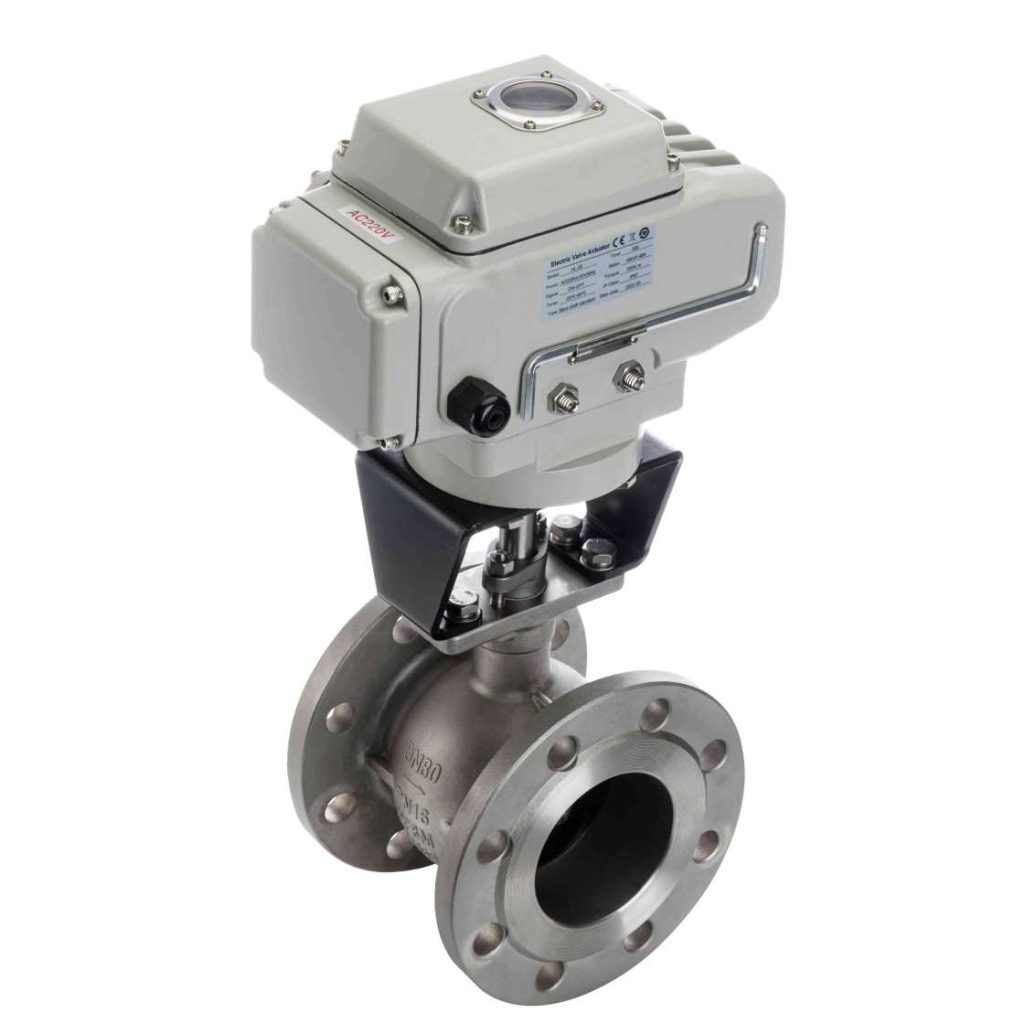
What is a WCB Electric V-ball Valve?
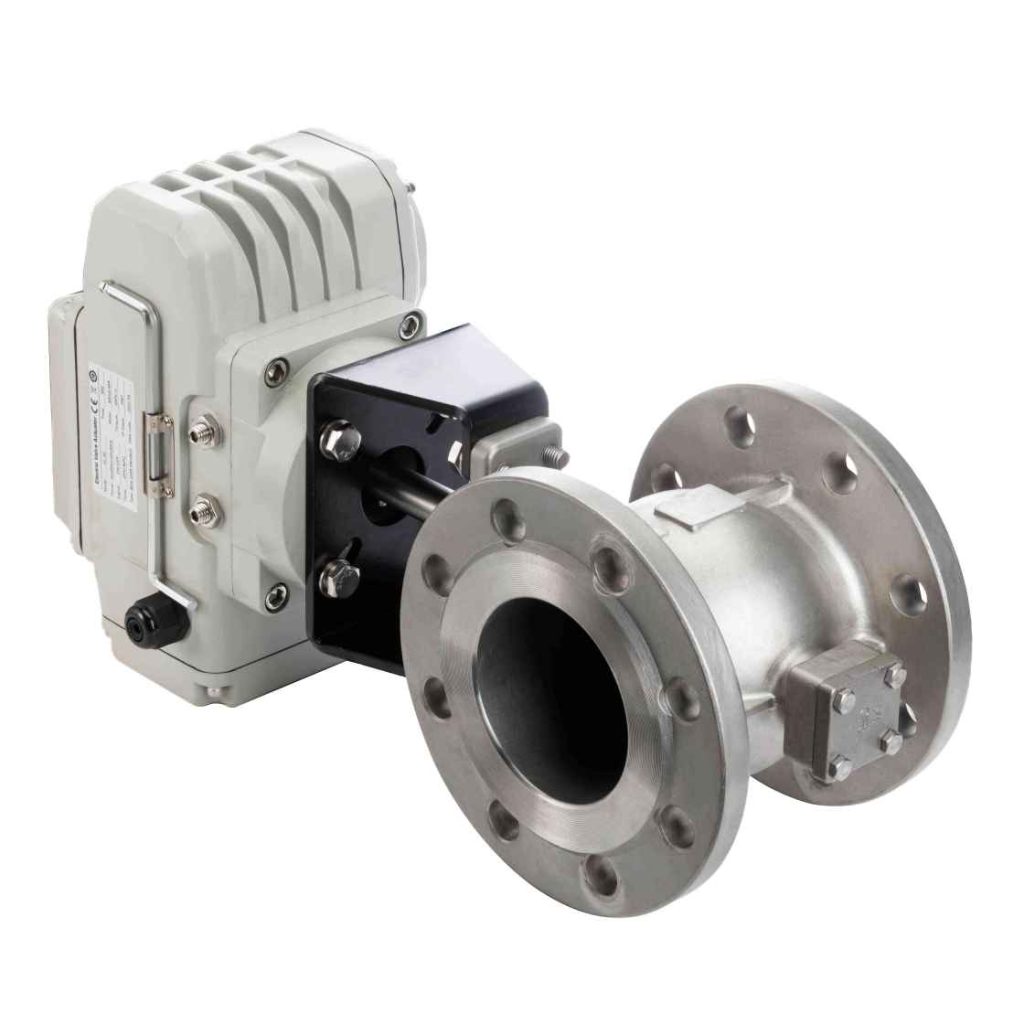
The WCB Electric V-ball valve combines a V-shaped ball with an electric actuator to provide precise flow control in various industrial systems. The “WCB” refers to the material used for the valve body, which is Wrought Carbon Steel, a robust material known for its strength and durability. The “V-ball” refers to the special design of the valve’s internal ball, which features a V-shaped notch. This design enhances the valve’s ability to regulate flow smoothly and accurately, making it an ideal choice for applications requiring fine adjustments in fluid movement. The electric actuator allows for remote and automated control of the valve, making it an efficient option for modern industrial setups where manual operation may not be feasible or desired. The valve operates through an electric signal, which adjusts the angle of the V-ball inside, regulating the flow rate or pressure as required by the process.