The WCB Electric Two-Seat Regulating Valve is an essential component in various industrial control systems. Designed to regulate the flow, pressure, and temperature of fluids, this type of valve combines precision, durability, and adaptability. Its use spans a wide range of industries, including chemical processing, power generation, oil and gas, and more. This article explores the features, advantages, and applications of the WCB Electric Two-Seat Regulating Valve.
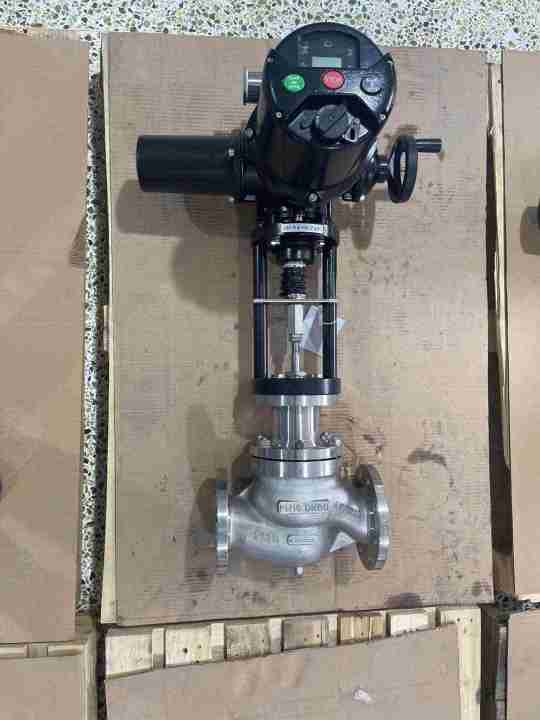
Overview of the WCB Electric Two-Seat Regulating Valve The WCB Electric Two-Seat Regulating Valve is a sophisticated valve system designed to control the flow of liquids, gases, and steam in industrial pipelines. The term “WCB” refers to the carbon steel material used in the valve’s body, which is known for its strength, resistance to wear, and ability to withstand high temperatures. This makes it a reliable choice for demanding environments. Unlike single-seat valves, the two-seat design features two valve seats, which enables the valve to provide a larger flow area. This results in greater efficiency and allows the valve to handle higher flow rates under varying pressure conditions. The electric actuator, which drives the valve, allows for automatic control based on external commands, contributing to the automation of industrial processes.