The WCB Electric Single Seat Regulating Valve is a pivotal component in modern industrial flow control systems. Known for its reliable performance and precision, this valve plays an essential role in regulating fluid flow, pressure, and temperature across various industries. Its robust design, powered by an electric actuator, makes it ideal for precise control in applications where consistency and accuracy are key. This article explores the features, benefits, applications, and considerations for using the WCB Electric Single Seat Regulating Valve in industrial settings.
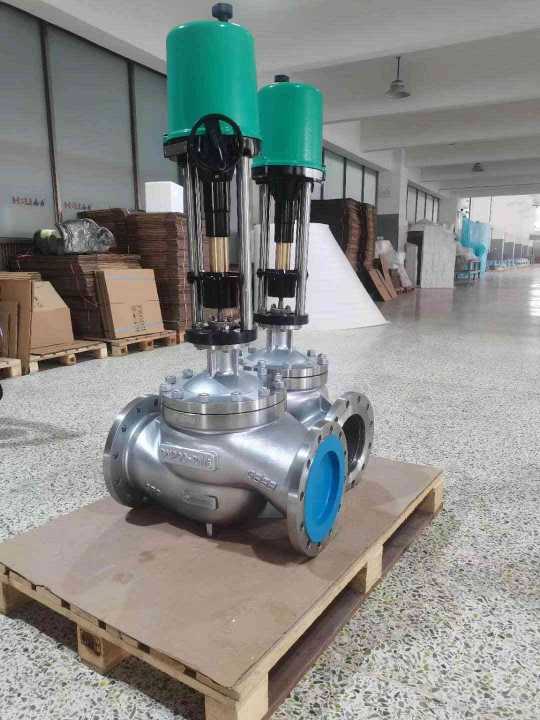
Understanding the WCB Electric Single Seat Regulating Valve At its core, the WCB Electric Single Seat Regulating Valve consists of a single seat valve design, which is characterized by its simple yet effective structure. The valve’s body is usually constructed from WCB steel, a high-quality carbon steel material, offering excellent durability and resistance to wear. The “electric” aspect refers to the valve’s actuator, which uses electric signals to control the valve’s opening and closing, providing a high degree of control over fluid flow. Single-seat valves are typically used for moderate pressure and temperature conditions. Their design offers a compact and straightforward solution for fluid regulation, allowing for high accuracy and fast response times. The electric actuator enables the valve to adjust in real-time to changes in the system, ensuring that flow rates, pressure, or temperature remain within desired limits.