The WCB Electric Single Seat Regulating Valve is an essential component used in industrial automation systems to regulate fluid flow, pressure, temperature, and other parameters. With its robust construction, advanced electric actuators, and precise control features, this valve plays a crucial role in optimizing the performance of various processes across different industries. This article explores the design, functionality, advantages, and applications of the WCB Electric Single Seat Regulating Valve, emphasizing its importance in modern fluid control systems.
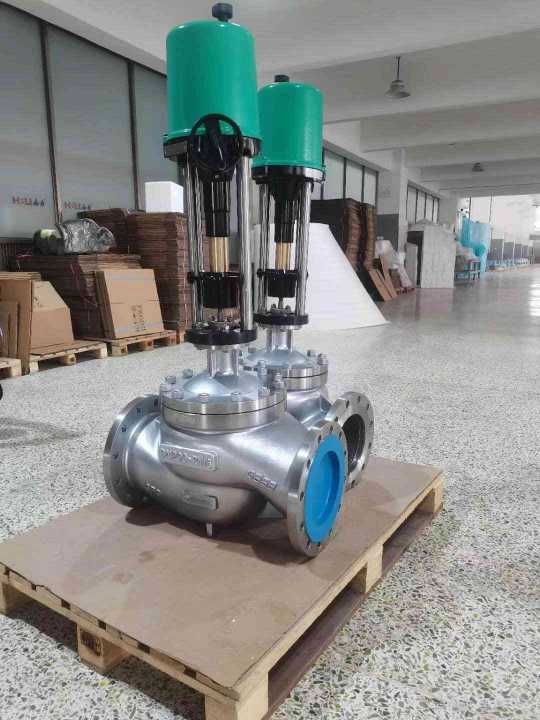
1. Overview of WCB Electric Single Seat Regulating Valve The term “WCB” refers to a carbon steel material commonly used in the construction of the valve body. ASTM A216 WCB is a widely accepted standard for cast carbon steel, offering excellent strength and durability for industrial applications. This type of valve features a single-seat design, meaning that the valve core (also known as the plug) seals against a single seat, making it ideal for applications requiring tight shutoff performance. The valve is equipped with an electric actuator, which allows for precise and automated regulation of flow, making it an essential tool for industries where accurate control is necessary.