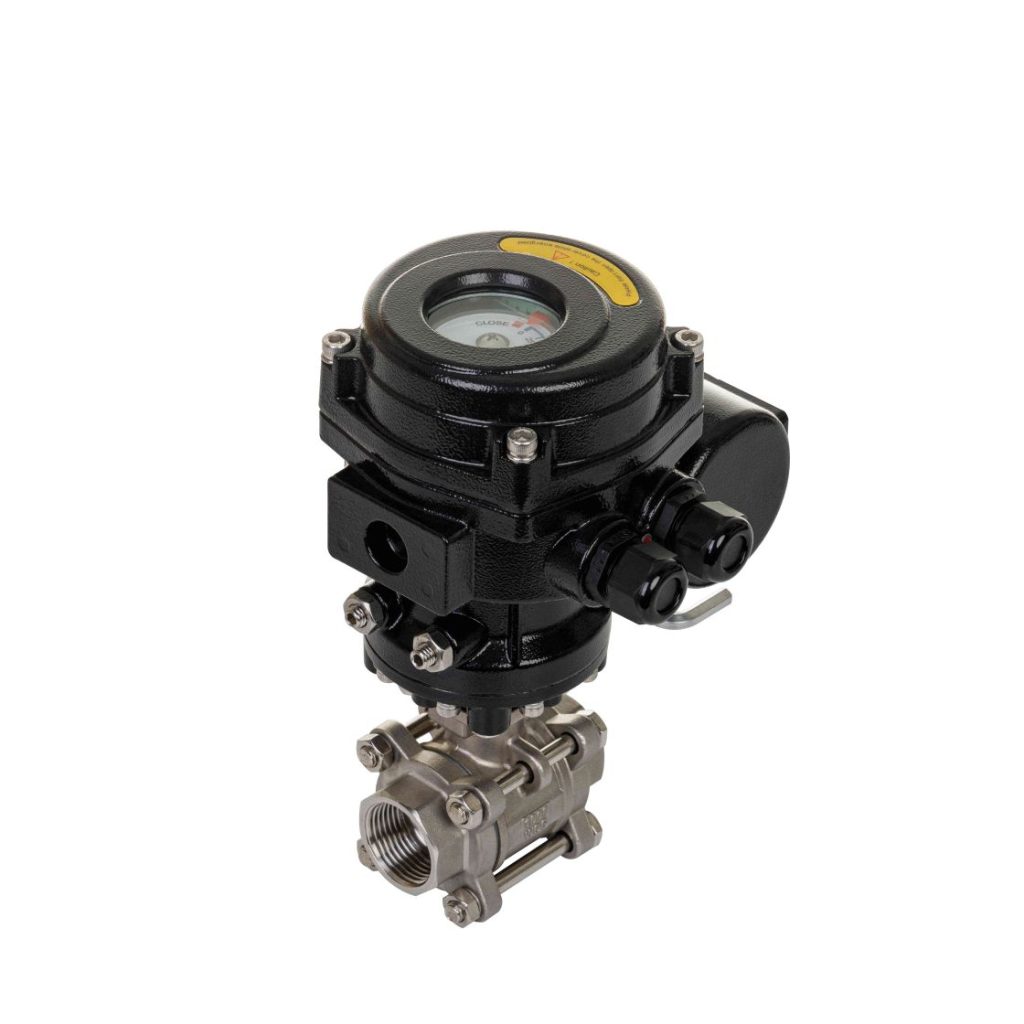
The WCB Electric Screw Ball Valve is a key component in modern fluid control systems, providing both precision and reliability in managing the flow of liquids and gases. As automation becomes increasingly integral in industries such as chemical processing, oil and gas, power generation, and water treatment, the WCB Electric Screw Ball Valve has emerged as a critical device for enhancing operational efficiency and control. In this article, we will explore the design, functionality, advantages, and applications of the WCB Electric Screw Ball Valve, emphasizing why it is becoming a preferred choice in fluid control systems.
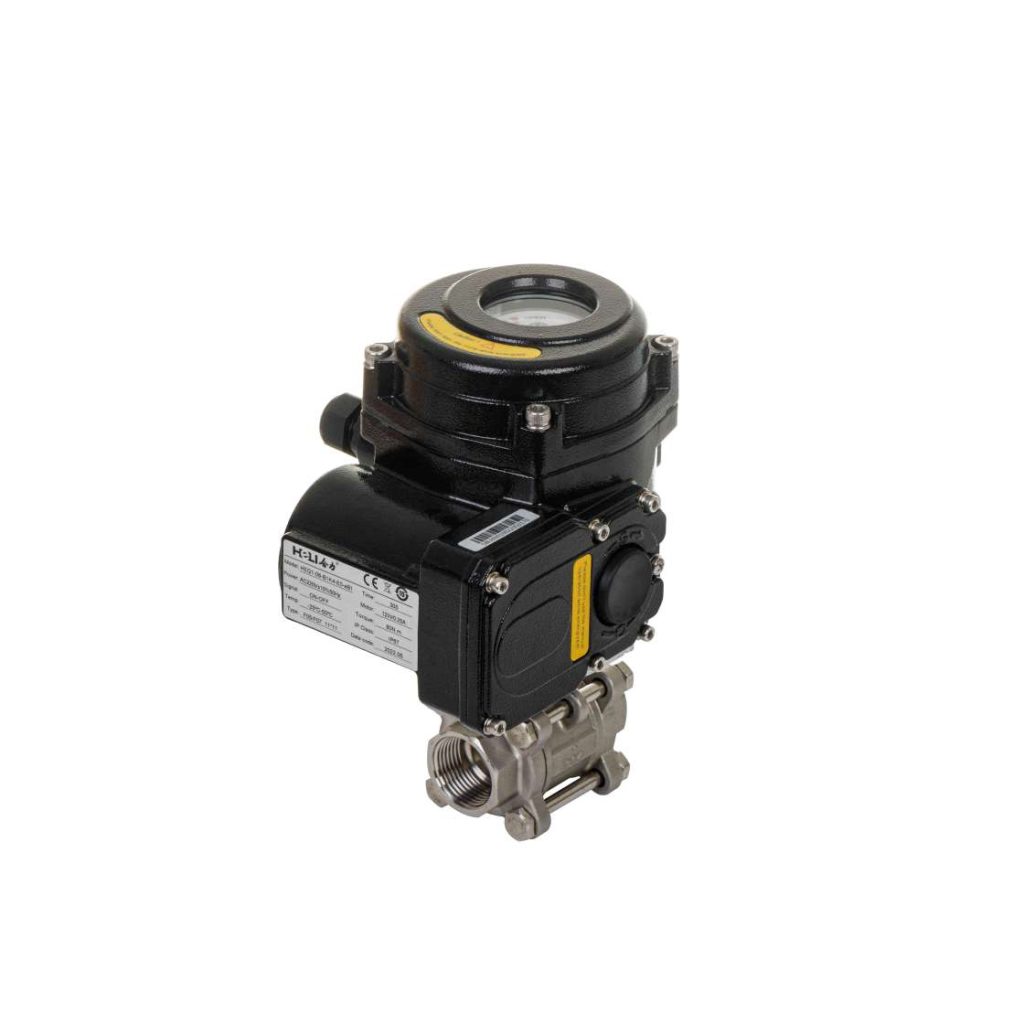
What is a WCB Electric Screw Ball Valve?
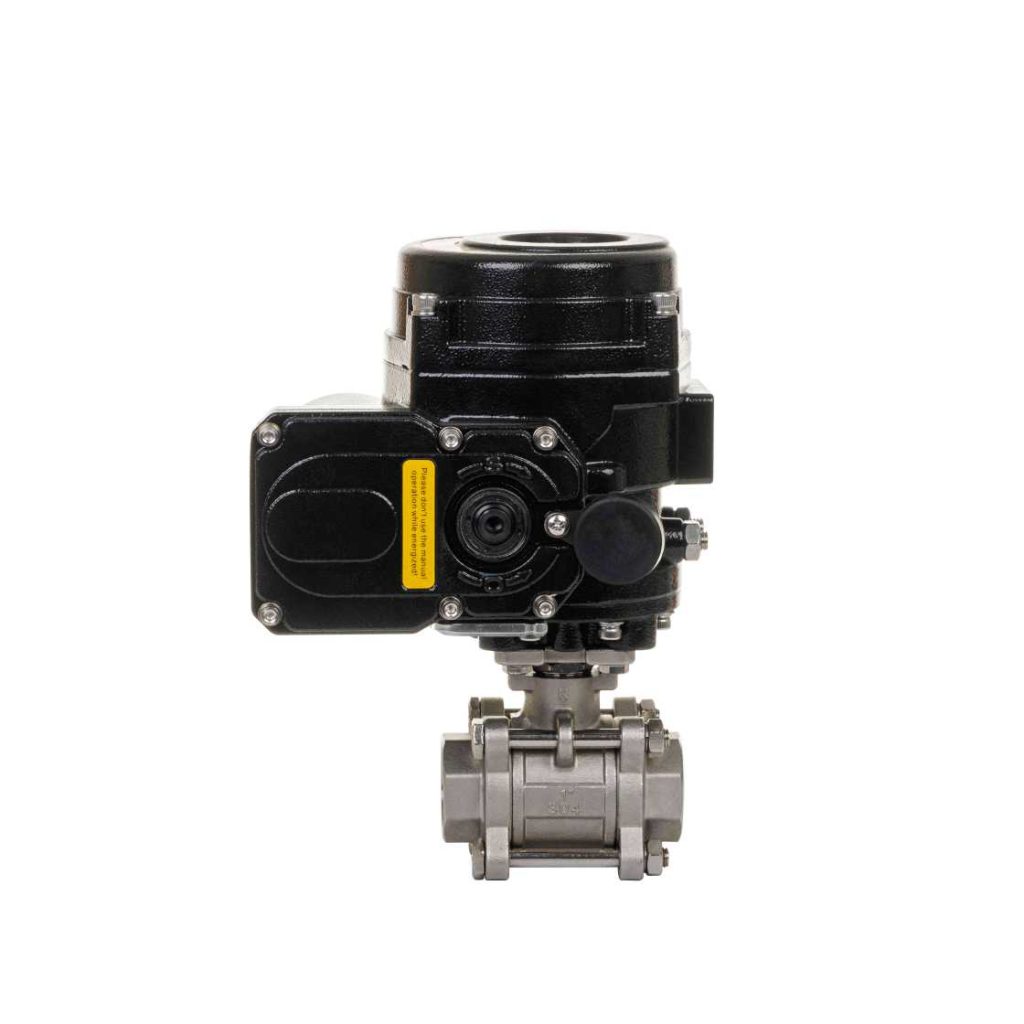
A WCB Electric Screw Ball Valve is a type of ball valve that uses an electric actuator to control the movement of the ball inside the valve. The “WCB” in the name refers to the material of the valve body, which is a carbon steel casting (ASTM A216). This material is known for its durability and resistance to wear and tear, making it suitable for a wide range of applications, from low to medium-pressure environments. The valve operates by rotating a spherical ball inside the valve body to regulate or stop the flow of fluid through the pipe. Design and Mechanism The WCB Electric Screw Ball Valve consists of several key components: the valve body, ball, electric actuator, and actuator control system. The ball inside the valve has a hole through it, which aligns with the flow of the pipe when the valve is open. When the valve is closed, the ball rotates to a position that blocks the flow of fluid, effectively shutting off the pipe. The electric actuator is responsible for rotating the ball to the desired position, either fully open or fully closed, or anywhere in between, depending on the control signal received from the automation system.